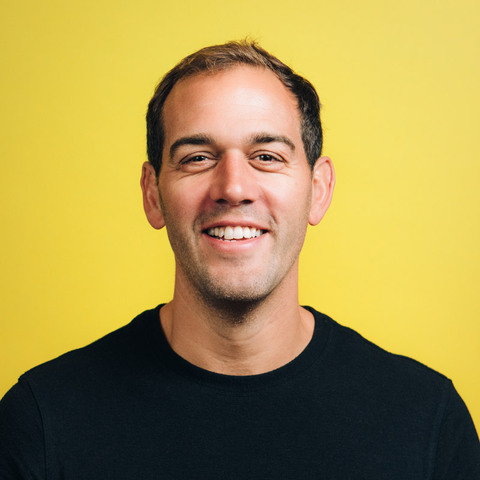
Ben Aston is joined by Oliver Lindberg, independent editor, content consultant & conference curator with brands including Google, Adobe, and Shopify to talk about how to create compelling content that connects with your community.
Interview Highlights:
- Oliver grew up in the Northwest of Germany, moved to the UK in 2001, and lives in Bath with his wife, daughter, and five chickens. He's the former editor of net magazine, and he's now working as an independent editor. He's a content consultant and a conference curator. [0:29]
- Oliver works with brands, including Adobe, Shopify, and Wix. And in 2017, he founded a community conference for front-end developers, UX UI designers for the focus on actionable takeaways, and that's called Pixel Pioneers. [0:49]
- Oliver likes finding people that can write about a specific topic because his background is journalism. [3:03]
- He's neither a web designer nor a front-end developer. He's more like the curator that brings everything together. He enjoys doing the magazine, but then he thought of going freelance. [3:33]
- There wasn't really a professional conference for web designers or UX UI designers and front end developers, so Oliver had the idea of bringing conferences to people's doorsteps and make it affordable so that they didn't have to do pay, travel, to go to a hotel, pay for flights and all that kind of stuff. [4:47]
- Oliver's vision for Pixel Pioneers is to kind of restart the conferences with COVID-19 and the pandemic. He's itching to restart the conference and hopefully put it on next year and then just go from there, because the last time he did the conference was in June 2019. [6:42]
- Oliver ran Pixel Pioneers completely on his own. The whole idea of Pixel Pioneers is about bringing people from not just the UK but other places into the conference so that people may make people accessible, make the speakers accessible so people can have a proper conversation in the room. [8:05]
- Having a background in journalism, he learned the skills of the trade. [10:14]
A good article is a lot more than just clickbait. It is well-written content that actually has practical and inspiring information in it.
Oliver Lindberg
- People don't bother to proofread and stuff like that. Oliver thinks that's the kind of stuff that's important. That's what sets good articles apart from not-so-good articles, people notice and it kind of reflects on your brand as well. When you read the article and it's kind of littered with mistakes, people notice, and they might not come back. [11:14]
- Oliver tries to avoid the clickbaity headlines, but he's not always the one who writes the headline that the client goes with. SEO is still important, so sometimes he gets assignments and it depends on whether the client is more SEO-driven. [12:15]
- When you're writing for print, it's a great opportunity to include all your video and just break it down, make the paragraphs a little bit shorter and make it easily digestible. [14:14]
When I write an article and I edit my own content, I go through it and see how I would react if I was the reader. What is most information here? What do I want to get out of this article that I'm reading?
Oliver Lindberg
- It is important that the article has a clear structure. Usually, the first thing that Oliver does when he receives a draft that is shared with him via Google docs, is going into the suggesting edits mode and then just go through the whole article bit by bit. [15:31]
- As a general rule of thumb, when Oliver writes an article that's about 2000 words long, he usually charges 400 pounds for that. When he does eBooks, that really depends on a case-by-case basis. [18:36]
- Some of Oliver's articles were the ones that were the most popular in terms of horror stories. One of the worst things that have ever happened to him in his career was when he did an interview and talked to someone for almost an hour. And then he realized at the end of it that it didn't record. [21:19]
- Oliver mostly relied on his network because he's been doing this for so long. He always finds a lot of really interesting people through conference sites. [25:32]
- People knew Oliver from the magazine. He's been doing the magazine for quite a while, and while he was there, he kind of grew his audience. He was at least a fairly regular user of Twitter. He's on LinkedIn. So he built up a kind of social following and then founded the conference. [26:32]
- A conference always succeeds or falls down with its extra program. So, Oliver always made sure that he had a really nice mix, a diverse mix of voices, and a diverse mix of topics. He focuses on practical takeaways. He makes sure that the talks that are featured at the conferences are quite practical. [29:21]
- The way that Oliver selects his speakers is by doing a lot of research, either online or in person. So online, he looks at a lot of conference videos, checks speakers out before, and checks what kind of topics he talks about or what they are like as a speaker. He also tries to go to events and attend events regularly in his kind of industry. [32:09]
- For 2021, Oliver would like to conduct a few more interviews than last year because that's something he really enjoys. To find new voices and interview them, and then kind of share that with the community. [35:52]
- The best advice that Oliver has ever received is do not over-promise. As a freelancer, it's very easy, especially at the beginning of your career, it's very easy to say yes to everything. That's really good advice to be more cautious. [36:56]
- The personal habit that has contributed most to Oliver's success is not to take on too much work. Be organized and see how much you can actually get done in a day. [37:59]
- Oliver's recommended book is Design for Cognitive Bias by David Dylan Thomas. It's a book that's kind of aimed at designers. [41:25]
- Oliver's one piece of advice for someone at the beginning of their digital media journey is it's important to just produce a lot of your own content, and just put it out there. Share that content and then slowly build up a following. While doing that, focus on the quality of that content that you're putting out. [42:36]
Guest Bio:
Oliver Lindberg is an award–winning editor, content consultant, and founder of Pixel Pioneers, based in Bath, England. Formerly the editor of net magazine, he has been involved with the web design and development industry for more than a decade and helps businesses across the world create content that connects with their customers. He’s passionate about content, user experience, accessibility, and designing for social good.
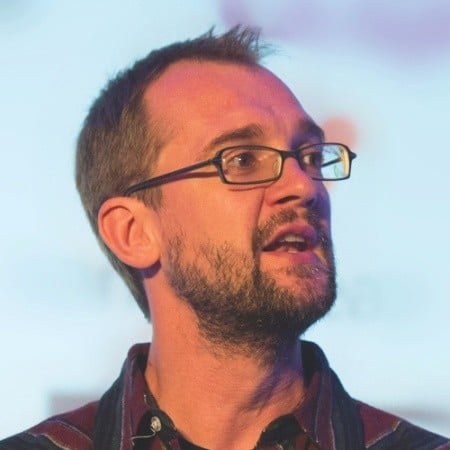
The best advice I've ever received is don't over-promise and then over-deliver. That's a good mix.
Oliver Lindberg
Resources from this episode:
- Apply to join the Indie Media Club
- Check out Oliverlindberg.com
- Check out Pixel Pioneers
- Connect with Oliver on LinkedIn
- Follow Oliver on Twitter
- Send Oliver an Email at oliver@oliverlindberg.com
Related articles and podcasts:
- Podcast: How To Build A Successful Social Learning Community (with Jared Falk from Drumeo)
- Podcast: How To Develop A Content Strategy That Actually Works (with Jeff Coyle from Market Muse)
- Podcast: How To Build A Sustainable Business Through Content (with Benjamin Ilfeld from VentureBeat)
- Podcast: How To Build The World’s Biggest Digital Technology Publication (with Ian Bell from Digital Trends)
- Podcast: How To Build & Scale Successful Revenue-Generating Online Magazines (with Jon Dykstra from Fat Stacks)
- Podcast: How To Make Beautiful, Shareable And Engaging Content (with Nick Routley from Visual Capitalist)
- Intro Episode: Welcome to the Indie Media Club
- About the Indie Media Club podcast
Read The Transcript:
We’re trying out transcribing our podcasts using a software program. Please forgive any typos as the bot isn’t correct 100% of the time.
Ben Aston
Welcome to the Indie Media Club podcast. I’m Ben Aston, founder of the indie media club. We’re on a mission to help independent bootstrapped media entrepreneurs succeed to help people who create, promote, and monetize through content. Do it better. Check out indiemedia.club to find out more.
Today, I’m joined by Oliver Lindbergh and Oliver grew up in the Northwest of Germany, moved to the UK in 2001 and lives in bath with his wife, daughter, and five chickens. That’s two more chickens than I have. He’s the former editor of net magazine. And he’s now working as an independent editor. He’s a content consultant and a conference curator.
We’re going to talk about a bit today. He works with brands, including Google, Shopify, and Adobe. And in 2017, he founded a community conference for front-end developers, UX UI designers for the focus on actionable takeaways, and that’s called pixel pioneers. So keep listening to today’s podcast to learn how to create compelling content that connects with your community.
So, Hey, thank you so much for joining us today.
Oliver Lindberg
Hi, Ben. Thanks for having me.
Ben Aston
So I just wanted to get into a story bit first. Um, You you’re a trained journalist. And then you went to, ended up working at net magazine, started off doing your own thing. How was it that you decided to end up doing your own thing rather than, uh, working for other people?
What was the kind of, how did that come about?
Oliver Lindberg
Well, I kind of fell into it. As you said, I’ve worked on net magazine for a long time. I edited, um, this magazine, which was kind of the leading print publication for web designers and front-end developers. Um, and I had been doing that for quite a while.
You know, they were kind of like brand extensions that we did. We launched, um, generate, which was a conference for web designers. Um, a conference at the, that we held in London and some other cities, New York. And then we had, we tried something, San Francisco. So, um, I came to the point where, um, I was the editor of the magazine, but I didn’t really want to go into, um, management as such, you know, I didn’t really want to, to publish other publications and stuff like that.
So, um, I CA I was enjoying, um, editing and I was also enjoying doing the conference. So, you know, I just kind of thought that. I’ll try it on my own.
Ben Aston
Yeah. I’m curious, just digging into a bit, what you don’t like about being a publisher, because obviously, you were in that role at a publisher. Most of our listeners are probably more on the publishing end of things.
What was it that made you think, Hey, I don’t want to, I don’t want to create a publication because you’ve obviously got a lot of experience doing that, but instead you just want to focus on the writing itself.
Oliver Lindberg
Yeah, it’s not so much the, um, uh, the, the creation of the publication, because I did enjoy that.
It’s more like, you know, the things that come with being a publisher, like, um, you know, budgets and targets and stuff. I think I’m a little bit more hands-on. So I love curating and I love writing. Um, I think it’s, it’s a bit of a mix. I’m very well connected, so I like, you know, finding people. That can then write about a specific topic because you know, my, my background is journalism.
I’m neither a web designer nor a front end developer. So I’m more like I’m the curator, you know, that brings everything together. Um, so I enjoy doing the magazine, but then, then I thought, you know, going. Going freelance. I can do this kind of stuff for, for clients as well. You know, the stuff that I do now is still very similar to what I do that beforehand on net magazine.
It’s just not, you know, in one handy package is kind of like distributed across, you know, various platforms and for various clients, but like the, the, the, the core of it is still like practical, inspiring content for UX, UI designers and front end developers.
Ben Aston
Which is kind of what your pixel pioneers is all about as well.
So pixel piping is, is kind of your publication of all the it’s the culmination of, of that work in a way. So take us back to the beginning of that. When, when you decided, Hey, I’m not going to be a, create a publication, but I am going to create a conference. Um, what was the kind of rationale for what led you into going into conferences?
You talked about. Generate before from that magazine, was that really the impetus for starting pixel pioneers?
Oliver Lindberg
It, wasn’t a way I really enjoyed doing, um, generates and, you know, it was kind of the magazine come to life, you know, um, you could do all these things that at the moment we can’t do meeting people and, um, being in one room, no, bringing people together and networking and learning from, you know, from the leading, uh, Industry figures, you know, and, and curating really practical content for people that data in, you know, they can take the, take away what they learned and then take it to their job.
And, um, it apply it straight away. And what I liked about doing that, um, th there was a thing that I thought, you know, there’s a lot of conferences that are very expensive. And there’s a lot of conference in conferences in all the big cities, you know, um, you have conferences in London, you have conferences in New York, San Francisco, Toronto, you know, but I feel, I felt there was a bit of a gap for.
Local conferences. You know, I live in bath, which is just down the road from, from Bristol. Bristol is the next, bigger city here. Um, and Bristol had a very vibrant community, but, um, it was mostly meetups, you know, uh, very strongly Exene, um, quite a bit of, uh, product design. Um, but there wasn’t really a professional conference for web designers or UX UI designers and front end developers.
So the idea was kind of to bring conferences to people’s doorsteps and make it affordable so that they didn’t have to do pay, travel, to go to a hotel, um, pay for flights and all that kind of stuff.
Ben Aston
And so what’s your vision for pixel pioneers? Cause I think you’ve done. Is it three pixel pioneer conferences?
Um, what’s the vision kind of moving forward?
Oliver Lindberg
I did three in breasts and never actually a couple in Belfast as well that I did it beginning. Um, the vision is to kind of restart the conferences
with COVID-19 and, and, and the pandemic. So, uh, I’m, I’m kind of itching to, to restart the conference and hopefully, um, put it on next year and then, you know, just go from there because the last time I did the, um, the conference in June last year, 2019, I think it was like the best. Um, addition yet, there was a lot of good feedback.
There was a buzz about it. Um, um, it was busy. Um, they were sponsors, you know, the braids people, uh, um, networking, both with sponsors and with each other, there was just something about it. And I, I miss doing that. So I’m kind of, as I said, really interesting to bring that back next year, figure fingers crossed.
Ben Aston
And so obviously you decided not to take the conference virtual, um, which, which many people did in the kind of event space. Tell us why, what was your kind of rationale behind that? And, um, yeah, you’re kind of thinking, thinking about virtual events and how they work with in real life events.
Oliver Lindberg
Yeah. I mean, yeah, there are a lot of conferences that are doing great stuff at the moment.
You know, there’s lots of conferences that have gone remote and, uh, innovating in that space. But, um, I run pixel pioneers completely on my own. So it’s conferences as you know, a lot of hard work anyway, but to then pull it off remotely. And attract enough, um, attendees and sponsors to make it worthwhile is really hard.
And because the whole idea of pixel pony is, is, as I said, it’s local conferences is it’s about bringing people from not just the UK, but from, um, from other places into. The conference so that people may make people accessible, make the speakers accessible so people can have like a proper conversation in the room.
So it’s not just like the, the, the talks that talks about like 40 minutes, but you have breaks in between where, you know, everyone can have a chat or afterwards go somewhere and have a drink. And actually. Talk with the speaker, um, and dig a little bit deeper and I feel there’s something that you can’t really do remotely as such.
It’s not quite the same, you know, you have the talks, but then after the talk, you know, to engage the audience is, is quite, um, it’s quite a feat. So I thought, because I have, um, This other side of my business, um, content written content. I concentrate on that for the time being, uh, and work with my clients there.
And when it’s time to, um, when the time has come, that we can all meet in person. Again, I, I bring it back.
Ben Aston
Yeah. Well, let’s switch gears and talk about compelling content because this is where I guess it all started with pixel pioneers. This is where it starts with you from net magazine. Um, talk to us about creating content that well, firstly, I guess what does excellent content look like to you?
Because there’s so much crap on the internet. Um, well, what are the hallmarks for you of, um, an excellent piece of content from this, I guess journalistic lens that you started out with.
Oliver Lindberg
Yeah, I totally agree with you. There, there is a lot of crap on the internet and I think it’s becoming a little bit of a, of a lost art.
As I said, my background is purely journalistic. Um, so I’ve kind of. Learn the skills of the trade for me, a good article is it’s a lot more than, than clickbait. You know, it’s not just about putting the readers in it’s. It is well written content that actually has, um, you know, practical and inspiring information in it.
And that is, um, not only better written, but also very structured. You know, um, on the internet, you know, it’s slightly different. You have to make it easily digestible. Um, a few like crossheads in subheadings, maybe bullet points, uh, and, and stuff like that. Images, videos. Um, and you know, when I’m, when I do my research for my own articles and I, you know, read other articles, it’s become a bit of a Lasage, you know, There are so many typos in articles.
People don’t bother to, to proofread and stuff like that. And I think that’s kind of the stuff that’s important. That’s what sets good articles, uh, apart from, you know, not so good articles because, um, you know, people notice, you know, it kind of reflects on your, on your brand as well. You know, when you read the article and it’s kind of littered with mistakes, people notice, and they might not come back.
Ben Aston
Yeah. And I think, I think there’s definitely a focus on, um, yeah. Quantity over quality. Although I think there’s a bit of a shift or a realization that as Google’s becoming more interested in quality, um, people’s kind of following along, but how do you break through the noise of content on the internet?
When you’re writing a topic, you’re writing a piece, um, For someone, how do you, what are some of the techniques you use to break through the noise and make your piece of content? You’re saying you’re not wanting to use click baity headlines. Um, so what do you do to break through the noise?
Oliver Lindberg
But sometimes, you know, um, it depends on who you work with.
Um, I try to avoid the clickbaity headlines if I can, but you know, I’m not always. The one who writes the headline that the client goes with, you know, SEO is still important. So sometimes, you know, sometimes I get assignments and you know, it depends on whether the client is more, um, SEO driven. If they are, then they’re probably.
Give you like guidelines for what kind of keywords they want you to put in? Um, otherwise when I have more freedom, I just try and dry. It’s a really engaging story and digested in a way that, um, you know, you can find the important information easily when you scroll through the page. As I say, that can be crossheads that can be lists.
Um, that can be like all kinds of things. You know, I like putting videos into my articles, if they’re helpful, for example, like, you know, when you interview someone and I often interview, um, people who give talks at conferences. So that’s another nice resource to add, to, to an article, to, to put a conference talk in there.
So if people are really into the topic, they can dig a little bit deeper and just, you know, Watch watch like an extra talk without going to the conference. And there are so much content that’s freely available on the internet these days. So many conferences, including mine. I, um, you know, if you make this information freely available on YouTube
Ben Aston
and so, so it sounded like for you engaging content is content that’s architected well, so there’s a, there is a content architecture, or there’s a user experience that you were thinking about on the page. In terms of formatting it in a way that’s digestible, understandable, but also making it feature rich so that people, uh, so there’s, it’s interesting. There’s videos in there there’s embedded tweets or there’s, um, there’s features within it to, to hold people’s interests.
Oliver Lindberg
Yeah. Yeah, absolutely. I think, um, there’s so much you can do on the internet, um, that, that you can’t do. Um, then when you’re writing for print and I think that’s a good, great opportunity to include all your video and you just really break it, break it down, you know, make the paragraphs a little bit shorter and make it easily digestible.
Um, and, and I think when I write an article and I edit my, my own, um, content, I go through it and. Um, read it and see what, how would I react if I was the reader? You know, what is the most informative, most important information here? What do I want to get out of this article that I’m reading?
Ben Aston
And so tell us about the kind of editorial lens that you add to content.
So perhaps when you’re reviewing other people’s content, we were just talking offline before about how you’re creating eBooks at the moment and commissioning other people. So when you’re reviewing someone else’s content, um, what are the things that you’re looking for? To evaluate whether or not it’s good enough, whether or not it needs editing, um, whether or not something needs to change.
There’s some things that you have on a checklist, um, or, or how do you, how do you kind of go through that process and evaluate it?
Oliver Lindberg
It really depends from a writer to writer because a lot of the people that I work with are not, um, natural writers, you know, they’re, they’re techie people, either designers or developers and not everyone is great at writing.
What’s important is that the article has a clear structure. Um, that’s, you know, to, to kind of tick all the boxes that I mentioned earlier to make, make the article easily digestible and to find, uh, practical information in the article. So usually the first thing I do when I receive a draft, but just the outline, but the, the first written draft of an article, um, and that’s usually shared with me, uh, via Google docs.
I just go into like the suggesting edits mode and then just go through the whole article bit by bit and put my, all my ELLs in, you know, and that’s grammar, that’s commerce, that’s typos, that’s things. That’s words, repetitions, you know, take some grads repetitions out, um, make the whole thing flow a little bit better.
Um, and suggestions where I think maybe it could do with a little explanation here. Um, if maybe the author has assumed too much knowledge from the reader, um, and anything that could kind of like tighten the copy a little bit, maybe take a few words out here and there. So, um, and then, then usually it goes through a few rounds of editing.
Um, and again, that depends from client to client. When, when I just try, um, work with, with an author on my own, we usually go to maybe two or three editing rounds and then often better than submit the article to the extra client. They are another, um, face in the process where they go in and do their own, um, edits as well.
So it can take quite a bit until an article’s actually finished.
Ben Aston
Yeah. I mean, it sounds like quite a lengthy process. I’m curious if you can share with us on average or maybe a range, how much does it cost or how much do you charge to produce a piece of content?
Oliver Lindberg
Pricing is really hard. You know, that was one of the most things I had to do when I first went freelance.
Um, because you know, when I, when I edited the magazine, I had a salary and then suddenly you’re faced with like, you’re, you’re writing articles and you’re, you’re commissioning articles and they’re all different lengths and they’re all different topics. So, you know, they need different amounts of research and, um, there’s just, um, different work that goes in there.
And sometimes, you know, I’m very well familiar with the topics sometimes I’m not. So that, that was one of the hardest things. Uh, I had to do, um, coming up with first for some jobs, with an hourly rate and then some, for some articles, um, to come up with a flat rate for, for an article. And again, that depends on who you work with because you know, then, then you’re dealing with people’s budgets as well.
You know, not, not everyone can afford the same thing, but like as a general rule of thumb, when I write an article that’s about, let’s say it’s just as wrong to 2000 words long. Um, I usually charge 400 pounds for that. Um, and then when you do eBooks, that really. Depends on a case by case basis because, um, eBooks are work because you’re creating the content.
The eBooks that are put together often feature several different authors. Um, so you need to kind of source them. Then you need to kind of coordinate it all. Um, everything, make sure everything comes in on time. You have to save people multiple times. And then because it’s not just, um, a piece of content that goes up on the blog.
There is more value for the client as well, because they are, they are getting an ebook that they use, um, as a piece of content marketing sometimes too, to collect data, to collect email addresses sometimes to, to promote certain products that are new, because it’s often like very content marketing. So it’s really hard.
So this, this pricing thing, and, um, I’ve been doing this for. For almost four years now. And, um, I’m finally, I think a little bit of a swing of things where this is getting a little bit easier and, um, um, people kind of know what my rates are and it’s not such a headache every time, you know, you talk to a new client and you have to price something as really one of the hardest things to do.
Yeah.
Ben Aston
And I think, cause one of the things that, um, the people who are commissioning you to write these pieces will be thinking about is the ROI of course, on the, whatever it is you’re producing. And so is that a conversation you ever get into when you’re negotiating or talking about pricing? Or do you just say, Hey, kind of take it or leave it?
Oliver Lindberg
I usually explain, you know, um, when, when you put a proposal together, um, I usually include, um, uh, kind of reasoning why it would be that price. And why, why, for example, it’s an ebook is costs more than like a selection of articles because of the, the edit value that a client had says the added work and the edit added value.
Ben Aston
Yeah. And in terms of, um, I guess you said you’d been working. During this for a few years now. So can you say any mistakes you’ve made or things that have gone wrong or things that have gone absolutely particularly well, surprisingly, well, when you publish something and found out the content had done really well, or when you discovered or something had gone really badly and he good or bad stories,
Oliver Lindberg
I mean, that’s always great when you get some feedback.
And, uh, one of the articles that you’ve put together is one of the, uh, the, the, the articles that got the most traffic, uh, within a given year, you know, that’s always great feedback. That’s happened a few times for some work that I’ve done with, with Shopify that’s. Some of my articles were the ones that were the most popular ones, um, in terms of like horror stories, um, I think one of the worst things that has kind of ever happened to me in my career was when I did an interview and talk to someone for about, um, I think almost an hour.
And then I realized at the end of it, that it didn’t record, you know, it’s one of those things. Um, I think that everyone goes through once and then never again, uh, I mean, um, The guy that I interviewed at the time, you know, it was, was really good about it. And we did the whole interview again. Um, and went through the same questions and stuff like that.
But since then, I’ve always used multiple devices to, to record, you know, not just rely on one at a time, it was a Dictaphone mellow record on the phone, but I often, you know, Uh, record on screen at the same time. So that, that doesn’t happen again because say, you know, that’s a shock really come off the call and you go like, Oh my God,
Ben Aston
what do you do now? Do you react? Do you confess? Yeah. That’s cool. And I think actually this is a whole mock I think of many of your pieces of content and is the fact that, and I think this is a journalistic component. Most of the things that you write, I mean, you’ve talked about people contributing to your articles, but I think a whole Mark of the stuff that you write is.
That you’re canvassing opinions from lots of different people. And you’ll hear, you’re getting perspectives on the story or the topic from a lot of different people. You’re not just making this all up yourself. How, how important is that to what you’re doing and how, how consciously. Are you doing that? Uh, deliberately, because in some ways it does make writing the article easier because you’re just asking other people the questions and they create the content for you.
But obviously that’s a lot of work. So how do you kind of balance that? Well, I can write about the topic or I can ask someone else about it. Um, how does that work?
Oliver Lindberg
I think, I think that kind of stuff lends a lot of expertise and, um, Gravitas to, to nautical authority, it’s authority to an article, because as I said, my background, isn’t really a designer development, even though I’ve been in the industry now for like 15 years or something like that.
And, you know, I, I know design and, and stuff like that by, but I’m also very well connected and, um, You know, some of the work that I get, um, the assignments. So I just, um, you know, I get given a brief and then I failed the brief, but I also am often given the freedom to, to interview people. And then I. I usually choose these people, myself and, um, uh, pitch ideas to the client of who I think would be really interesting to interview.
And then there are some articles where it’s like, as you said, a huge selection of, um, experts contributing, uh, and contributing and quotes. And innovator does make it easier, but also makes it more difficult because then you’re faced with, with the whole coordination of everything. Uh, and you know, as you’re dealing with people, there’s a lot of chasing and both people disappear.
People have lives, people, um, there’s all kinds of stuff happening. So sometimes people just disappear completely from, from the surface of the earth and you don’t know what’s happening, then you suddenly need to. Step in and find someone else. So, yeah,
Ben Aston
So I mean, Haro is obviously a service that many people use to source experts, quotes for their, um, articles.
Uh, what insights do you ever use that? Or are you just relying on your network?
Oliver Lindberg
I mostly relied on my network because I’ve been doing this for so long. Now I know a lot of people that when someone says like a user experience design or something as specific, I know the first few people I can talk to. And then, um, Then I do who I grew up with people as well.
And, um, I look at a lot of conference sites actually, you know, what’s going on on the conference circuit. Um, what are the interesting topics they are and what are people talking about and who is talking about these things? I mean, I always find a lot of really interesting people through a conference sites.
Ben Aston
Yeah. I mean, let’s go back to talking about pixel pioneers. So when you decided to launch that, how did you build your audience? Too around, I mean, you didn’t have a publication and somehow you were able to gather people together, create an audience. Um, can you just explain how, how you did that?
Oliver Lindberg
People knew me from the, uh, from the magazine. I’ve been doing the magazine for quite a while. And while I was on there, I, um, kind of grew my audience. I I’m, I was at least a fairly regular user of Twitter. Um, and I’m on LinkedIn. So I built up a kind of social following. And then I then. Founded the conference.
I could tap into that. Uh, people around prison knew me as well because I’m local. So when I then launched a conference there, I, I promoted it on my, on my Twitter. I promoted it on LinkedIn. Um, and then I slowly but surely build up a, um, a mailing list. Um, I started with, um, The newsletter that kind of promoted the kind of articles that I had worked on that I’d either written or, um, had kind of been invoiced in so that the, the new set of features had practical content.
And so it wasn’t just a conference. So people kind of sign up to that. I grew the mailing list. I grew the, the, the network. So. Um, it actually been surprisingly wherever the first conference, you know, it was busy. It’s, it’s not a huge conference. It’s, there’s a community conference, you know? So, um, for the first conference I had about a hundred people there, which I think for a small local community event is a really good size and it’s grown to light about 150.
Um, and it’s yeah. It’s people who know me. Um, I get, I get a few regulars. There’s always a few people who. Um, it’s a, it’s a local conference. So most of the people come from either breasts or from the Southwest of the UK. Yeah. But there’s always a few that come across the, the conference through, um, conference directories.
You know, there’s a lot of them on online business. Uh, but that smashing magazine or CSS tricks, or find UX events.com and stuff like that. So I, I made sure that my conference is listed on all of these directories and then sometimes people from. Uh, from the U S from elsewhere in Europe, um, find out about the conference, see the lineup and what’s being covered.
And that there’s a focus on very practical takeaways with like an international lineup of speakers. Um, and it’s affordable. People buy a ticket and they turn up nice.
Ben Aston
And so what apart from COVID, which is clearly the biggest challenge to put something on a, in real life conference right now, what are some of the biggest challenges you faced in curating and creating a conference,
Oliver Lindberg
Um, the biggest challenges, um, I think a conference always, um, succeeds or falls down with its extra program. So, you know, I always made sure, um, that I have a really nice mix, uh, a diverse mix of voices and to diverse mix of topics. So, um, I focus on. Practical takeaways. So it makes sure that the talks that are featured at the conference conferences are quite, um, practical.
Um, And people have liked to adjust bit information that they can apply to their own projects. And then maybe, um, maybe there’s one talk in there as well. That’s a little bit more inspiring. Um, someone showing off more, a little bit more design work, but I think it’s this practical, um, content that really resonates with people because a lot of these conferences now are, have, have talks where there’s a lot of.
Um, let’s say high level content. You know, people talk about theories a lot, and a lot of stuff that is only applicable to certain size projects and certain size companies, you know, to, to Google. It’s not necessarily applicable to a smaller agency, you know, that is maybe struggling to, um, get by with, with the resources that they have.
So I think that’s always a very important bit as well.
Ben Aston
How do you, can you write that though? I, I, I share the same, the same kind of idea around the importance of practical takeaways. And I’ve been to conferences where they, you know, you literally, they ask you to hold the person’s hand next to you and say things and that kind of thing, and like, I don’t know, I’m not here at a conference because I want it to hold some random person’s hand and say chance something I’m here because I want to learn things.
But I think, um, I think that actually getting people who are able to teach practical and give practical takeaways is a lot harder to find those people because they’re practitioners rather than conference speakers, who typically. Um, they give, they have their talks, right? They have their five talks and you can have your talk on emotional health in the workplace, or you can have the talk on leading your team or whatever it might be, which of these very kind of high level inspirational talks.
So as you’ve been curating the content, how have you kind of battled against that to ensure that it was actually practical and the takeaways were actually real, not handholding.
Oliver Lindberg
I think, I think the way that I select my speakers, um, I do a lot of research, um, either online or in person. So online, I look at a lot of.
Um, conference videos, um, check speakers out before and check. What kind of topics I talk about or what are they like as a speaker? What other, um, presentation slide, how are they structured? Um, but then I also, um, try and go to events and attend events regularly, um, and in, in my kind of industry, so design and development, that’s usually people with, um, With a diff with a similar mindset that are focusing on, on the practical takeaways.
So I, I try and go to, um, conferences like smashing conference or a B on tolerant. I’m a big fan of the beyond tolerance conference series in Germany. Um, and then also meet-ups. You know, I run my conference in Brisbane, which as I said, has a very vibrant community and, um, there are a lot of meetups going on, so I try and go there.
And on at ups you often can check out, um, New speakers that are working. It’s almost like the comedy stand up circuit, you know, because, um, on meet ups, um, try out new material. You know, and take two to the biggest stage. And sometimes you find speakers, um, that haven’t made it to the big conferences, but have something really interesting to say and actually have a really interesting, um, talk that they want to share with people.
And, um, that way I found some, some really, um, some really good people because you know the conference is, as I said, more for the local community, But I think it’s important to not only just fly people into this conference from all kinds of different places, but also kind of celebrate the local community.
So always try and make sure that there’s at least a couple of local speakers at the conference as well. That might be. Well known or might not be so well-known and then they bring like new, new voices and new perspectives to, to the, to the conference, because that’s really important. You know, as I said, there are speakers that have like one talk a year and they go to all the conferences.
Um, it’s important to have a mixed over really nice balance of like topics and new speakers and all that kind of stuff.
Ben Aston
Yeah. So what else is on your roadmap? What are you personally working on? Trying to get better at what’s what’s this 2021 hopefully
Oliver Lindberg
I hope to be a lot better than a mentee, to be honest.
So I’d like to restart the, um, the conference, if that’s possible at the moment that slide up for, for June, you know, fingers crossed that things will have to be more settled by June. Other than that, obviously COVID has affected all my clients as well. So the, the work that I had this year has slightly different to what originally anticipated, you know, um, clients have.
Slightly shifted direction. They have shifted budgets around. So this year I’ve taken on. Um, also because I couldn’t do the conference, I I’ve taken on a lot more work. That is a little bit more, um, you know, assignments rather than me, um, pitching ideas and writing about the topics that I might particularly feel passionate about.
So for 2021, I would like to do. I would like to conduct, um, a few more interviews than, than this year. Um, because that’s something I really enjoy and it’ll find similar to what I just said about the conferences, find new voices and interview them, and then kind of share that with the community. And there’s so many like interesting voices.
Um, no, I think this year especially has, has kind of. Broadside to the forefront. The people are a little bit more, um, aware how important it is to have diverse, diverse, diverse voices. Yeah. In any industry, you know, it is, especially in, in, in tech, you know, that you don’t have, uh, a conference or, or publication where, you know, everyone looks the same.
Ben Aston
Yeah, definitely. Well, that’s finished up with our lightning round. Um, I’m curious, what is the best advice you think you’ve ever received?
Oliver Lindberg
I think the best advice, um, it’s not over-promising, you know, as a, as a freelancer, it’s very easy to, especially at the beginning of your career, it’s very easy to say yes to everything.
Um, But I think that’s really good advice to be more cautious. With that, because, you know, if you over-promise you I’m going to disappoint and frustrated or annoyed clients, which is really difficult. So I’d rather say maybe, and then we have a little discussion about it, but I can really fit it in. Um, I think, yeah, the best advice I’ve ever received is, um, don’t over-promise and, you know, maybe.
Over-deliver, you know, I think that’s a good fix.
Ben Aston
And which of your personal habits do you think has contributed most to your success?
Oliver Lindberg
Well, it’d be in German. I’m quite organized. So it’s like this, uh, I think German efficiency who I think, um, organization is kids. I think they’re really important when you’re freelance and when you’re running your own business, um, And that means, as I said, not to take on too much work, but it also being organized with, you know, how much can you actually get done in a day?
So I work with like, um, I work with to-do lists. I still write my to-do lists on paper, you know, as I, I have a list of my, on my desk and what can I actually get done today or this week, and then, you know, organization around, um, Money obviously is important as well. That’s pricing and making sure, you know, you have enough work lined up.
So, you know, you can pay your bills, but also to take a break because that’s really important as well that you don’t burn out and take on too much stuff. Um, you know, it’s a good idea to have a break and earn enough money so that you can do that. And then, you know, just tell your clients that you’re taking a few weeks off.
Yeah. So you don’t, you don’t put out because you know, that’s a danger, especially for freelance, I think.
Ben Aston
Yeah. Can you say an internet tool or resource that you use regularly?
Oliver Lindberg
Um, I use like all the usual suspects, you know, like Slack and Google. Uh, I’m not using Twitter as much as I used to anymore because, um, I don’t get that much value out of it anymore.
Obviously, as to promote the articles that are riots, um, on the end I share them, but I find that a lot of. Arguing going on on Twitter these days, LinkedIn seems to have become, um, much more useful. Like I find there’s more engagement now. I’m I put something on LinkedIn. Um, so I find stories on LinkedIn. I share my, my own content on LinkedIn.
Um, otherwise other tools and resources, um, Specifically for the design and development industry. You know, I check out the blogs of all the clients that I’ve worked with, you know, to see what the big trends are. Um, so I look at XD ideas By Adobe. I look at the Shopify partner blog. Um, I look at shaping design by weeks, but I also look at smashing magazine.
And as I said, I look at a lot of different, um, conference sites to see what, what other trends in the industry at the moment, but other people are talking about. And, and I try and look at it as broadly as possible. When I say design and development, I’m also interested in, in, you know, user experience and project management and, and like a big, um, a big. Uh Trend this year has been in UX writing and I’ve had Sunday notice. There have been a lot of UX writing conferences that have been, have popped up all over the place. And, um, I managed to get some really interesting content and contexts through that. Um, and that’s been really interesting to see.
Ben Aston
Nice. What book would you recommend and why?
Oliver Lindberg
So one of the most interesting books that I’ve recently read, um, as part of an interview that I did is Design for Cognitive Bias by David Dylan Thomas, and as the title suggests, it’s a book that’s kind of aimed at designers. But I think whether you’re a designer or like a product manager or like a content person, everyone can get something out of that book because cognitive bias is something that, um, That everyone deals with on a daily basis.
And that’s basically, that’s, that’s our own biases. Whereas also the biases of the people that we deal with and to actually become aware of these biases and then learn strategies to, you know, to, to, to raise awareness with like, Um, team members or stakeholders or learn strategies to combat these biases, uh, is actually really, really, um, powerful, I think.
Ben Aston
And finally, for someone at the beginning of that digital media journey, what is one piece of advice that you would give
Oliver Lindberg
At the beginning of the, a few of your media journey? I think it’s important too, to just produce a lot of your own content. And just, just put it out there, you know, but that’s whether, you know, if your blog, um, or whether you’re writing content for, for different clients, I think it’s important to just produce.
Content share that content and then kind of slowly build up a following. And while doing that really focus on the quality of that content that you’re putting out. And that’s all the stuff that I said earlier, you know, focus on the right grammar. Uh, and if you’re not sure yourself, run it by someone else before you publish it.
You know, don’t just rely on the spell check and whatever word processing tool you use, but just show it to someone as well, to get their opinion on the article, on the structure, on the, the writing of the style. Um, I’d also the extra content, you know, and I think that can be really useful because don’t just do it all on your own, you know, the tech industry, and it’s, it’s a really close-knit.
Um, community. And as I mentioned, the arguing on Twitter, but there’s also a lot of help, you know? Um, I found people are so helpful. Um, especially when there’s, you know, a person who wants to break into the industry. I found that people that are very eager, to offer help, which is really nice to see
Ben Aston
cool, all the, where can people find out more about you and what you’re up to.
Oliver Lindberg
Um, so my conference site is pixelpioneers.com. And then I’m on Twitter. I’m basically everywhere. I’m at on Twitter and LinkedIn. I think I’m Oliver-Lindberg. Um, I’m on Instagram. There’s this other way around there. I’ve lived there too. Oliver there. So I think if you, as a school could be, um, there’s not many Olympics, I think there’s one in Sweden as a DJ, but otherwise, you will, you will find my content.
I’m very good
Ben Aston
When you’re on holiday.
Oliver Lindberg
So I did a, did a remix of another day in paradise by Phil Collins. It’s definitely not me.
Ben Aston
Cool. Well, Oliver, thank you so much for joining us today. It’s been great having you with us.
Oliver Lindberg
Well, it’s just being fun.
Ben Aston
And if you like what you heard today, please subscribe and stay in touch on indiemedia.club.
And please leave us early view on iTunes too, if you’d like it. But until next time, thank you so much for listening.
Before you go, check this podcast out: How To Effectively Repurpose Content To Increase Value (with Sean McCabe from Seanwes)