
Ben Aston is joined by international development expert and online entrepreneur Stephen Ladek. Listen to learn how to create a successful virtual summit and how to snag a free 20 min strategy session.
Interview Highlights:
- Stephen Ladek got a degree in farmer ranch management because he believes in permaculture, organic farming, sustainable living, intentional communities, all those kinds of things. After he graduated, he immediately started working for a technology company. [1:31]
- He stumbled into a technology company that creates maps for farmers using the GPS system. [2:22]
- Stephen started a consulting company and that company worked in something called the development and humanitarian aid program. [4:46]
How do we start solving problems between one another without killing each other? That was the big question I wanted to answer.
Stephen Ladek
- Seven years ago, he made the first purchase of his first internet company. The company was called Moodle News - a learning management system and it's the world's most popular management system. [5:26]
That's how I got into e-learning. It looked like a good business opportunity for me.
Stephen Ladek
- He turned Moodle News into LMS Pulse. They rebranded it to go from learning management systems into e-learning writ large. [6:15]
- Stephen talks about the format and the process of designing the summit experience. [10:05]
I didn't have a better answer about what to put together other than what's the universe is going to deliver to us. And then the hard part was putting that call out and finding people, but then actually just scheduling the time to get them recorded. Our virtual summit was in an entirely recorded experience.
Stephen Ladek
- The virtual summit was pre-recorded. [13:29]
- As the host, Stephen shares how he decides and plan all the sessions for the recordings. [14:41]
How we structured it all and sort of putting the pieces together for each of the days that was kind of a jigsaw puzzle.
Stephen Ladek
- The conference is hosted on a WordPress site and they use Vimeo to host the videos on the backend. [16:20]
- They have a content management system called Kartra. [16:37]
- They monetized in two ways: through sponsorship and through ticket sales. [18:18]
- Stephen walks us through the process of acquiring sponsors. [21:57]
- The average sponsorship deals that Stephen got from the Bronze Tier was $2,500. The Silver Tier was $5,000. Gold Tier was $10,000. [23:52]
- The biggest lesson that Stephen learned from running a summit [28:46]
One of the big lessons for anybody running a summit is don't expect the summit to be your windfall.
Stephen Ladek
- The best advice that Stephen has ever received [31:00]
- Stephen's personal habits that contributed most to his success [32:20]
I'm extraordinarily outcome-focused and I'm willing to take a risk. Being outcome-focused means that I don't deal with timesheets. I don't ask people for, you know, I don't get into the details. Basically, I set up visions and I set up clear criteria for what success looks like.
Stephen Ladek
- Stephen often uses Slack or WhatsApp and any sort of direct messaging tools to be able to manage his teams. [33:40]
- Stephen's recommended book is called "Getting to Yes by Ury & Fisher". [34:47]
- Stephen's advice for someone who's at the beginning of their journey to create content, to create community. [35:43]
Just start doing it today. If you want to be a blogger, start writing a post every day. If you want to be a vlogger, start creating a video every day. Every entrepreneurial journey is more like a merry-go-round rather than a straight path. You're constantly reinventing yourself and pivoting and showing up in different ways for your audiences.
Stephen Ladek
Guest Bio:
Stephen Ladek is a development and humanitarian aid expert, social entrepreneur, and performance specialist. He has founded or co-founded multiple successful businesses and has been engaged by clients in more than 30 countries. He currently divides his time between the following projects:
- Aidpreneur.com - a site dedicated to making the delivery of development and humanitarian aid assistance better. He hosts the Terms of Reference Podcast and works with individuals and organizations to help them start-up, succeed and sustain.
- InternationalSolutionsGroup.com - a company he founded in 2005, ISG helps improve the performance of humanitarian aid and development programming implemented by Governments, UN Agencies, International Organizations, NGOs, and Companies. Their services focus on helping the projects and programs of their clients to realize the improved impact, relevance, effectiveness, efficiency, and sustainability.
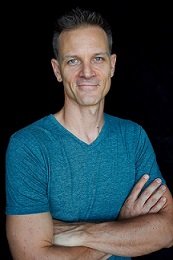
“Be prepared for what you want to do afterwards. Our number one fail was that we went into this hoping that the summit would work. So when it worked and it was successful, we had no plan for what to do with those people afterwards.”
— Stephen Ladek
Guest Bio:
Stephen Ladek is a development and humanitarian aid expert, social entrepreneur, and performance specialist. He has founded or co-founded multiple successful businesses and has been engaged by clients in more than 30 countries. He currently divides his time between the following projects:
- Aidpreneur.com – a site dedicated to making the delivery of development and humanitarian aid assistance better. He hosts the Terms of Reference Podcast and works with individuals and organizations to help them start-up, succeed and sustain.
- InternationalSolutionsGroup.com – a company he founded in 2005, ISG helps improve the performance of humanitarian aid and development programming implemented by Governments, UN Agencies, International Organizations, NGOs, and Companies. Their services focus on helping the projects and programs of their clients to realize the improved impact, relevance, effectiveness, efficiency, and sustainability.
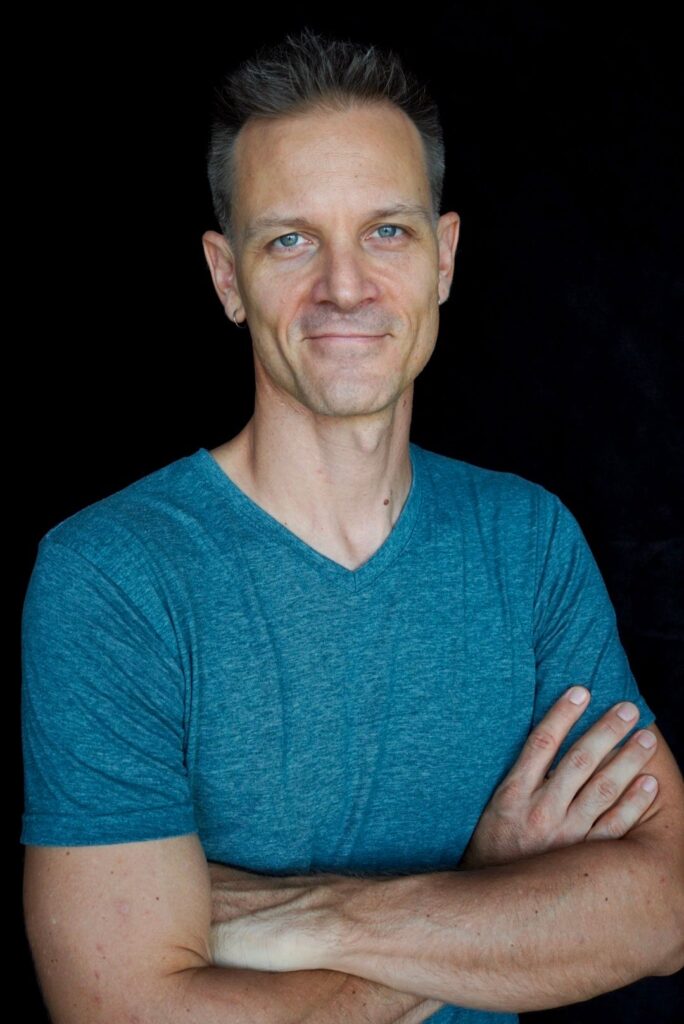
Be prepared for what you want to do afterwards. Our number one fail was that we went into this hoping that the summit would work. So when it worked and it was successful, we had no plan for what to do with those people afterwards.
Stephen Ladek
Resources from this episode:
- Apply to join the Indie Media Club
- Check out LMSPulse
- Check out Ladek.com
- Check out E-Learning Success Summit
- Connect with Stephen on LinkedIn
- Follow LMSPulse on Twitter
- Send LMSPulse an Email at lmsinfowebsite@gmail.com
Related articles and podcasts:
- Podcast: How To Build Niche Online Communities (with Andrew Guttormsen from Circle)
- Podcast: How To Build A Successful Social Learning Community (with Jared Falk from Drumeo)
- Podcast: How To Develop A Content Strategy That Actually Works (with Jeff Coyle from Market Muse)
- Podcast: How To Build A Sustainable Business Through Content (with Benjamin Ilfeld from VentureBeat)
- Podcast: How To Drive More Organic Traffic To Your Website (with Bernard Huang from Clearscope)
- Podcast: How To Prepare For Your Big Exit And Build A Media Company Worth Selling (with Stephen Regenold from GearJunkie)
- Intro Episode: Welcome to the Indie Media Club
- About the Indie Media Club podcast
Read The Transcript:
We’re trying out transcribing our podcasts using a software program. Please forgive any typos as the bot isn’t correct 100% of the time.
Ben Aston
So today I’m joined by Stephen Ladek and he is a trained, a professional farmer, turned international development expert. Who’s become an online entrepreneur with a focus on ad tech and e-learning, he has got a bunch of projects on the go, including BKK kids, which is a community site for families in Bangkok.
He’s got LMS Pulse, which is a resource on all things related to learning management systems. He’s formed a social enterprise association. Um, called the social enterprise association. And what we’re going to talk about today though, is actually something different. The focus of our conversation is going to be all about virtual summits.
Um, he recently launched the e-learning success summit. So keep listening to today’s podcast to learn how to create a successful virtual summit and find out how you can snag a free 20 minute strategy session with Stephen. But thank you so much for joining us today, Stephen.
Stephen Ladek
My pleasure. Thank you so much, you know, I am a trained farmer.
It’s weird, but that’s, that? I’ve just no one’s ever introduced me like that before, but that’s fantastic.
Ben Aston
I know. I like to dig into people. I did a bit of stalking and then I just scroll to the bottom of your LinkedIn. And I saw he was farming and ranching. I was like, this is amazing. I’ve never met a professional farmer before
Stephen Ladek
Farm and ranch, Colorado University go Rams. It’s true. Yeah.
Ben Aston
So, I mean, let’s talk about that though. So you thought you were going to be a farmer or at least that was an interest of yours. And then what happened?
Stephen Ladek
You know, I did, I got a degree in farmer, ranch management because I still think it’s a beautiful way to live. And I believe in, you know, permaculture, organic farming, uh, you know, sustainable living, intentional communities, all those kinds of things.
So that’s where I was directed. And then of course I graduated with that degree and immediately started working for a technology company. So that’s, you know, that’s like literally, literally what happened. I, you know, when you get a degree from a land grant university in the United States, something [00:02:00] like Colorado state, university, Arizona state, these kinds of things, uh, you know, a typical path out.
If you don’t have a family farm, I don’t have my, I come from the suburbs of Denver. Right. I’m a, leave it to Beaver kid. If you don’t have like a ranch or farm to go home to, there’s basically a couple of different paths. One, you can go into food processing. Right. Or you can go into banking. Those are really the two big outlets, right?
So like, you know, and neither of those appealed to me at all, like being in rural Kansas, doing, you know, being a, a love alone loan shark for farmers, no way. So I ended up stumbling into a, uh, you know, this is back in the nineties. I stumbled into a technology company. They were doing something that everybody thought was absolutely crazy at the time they were creating maps.
For farmers, right. By using the GPS system that we all now absolutely rely upon every day with our phones to get us everywhere with Google maps and whatnot. And so, yeah, so I started basically being a salesperson and helping creating maps and. Once you come out of a land grant college with a farm and ranch degree, if you don’t have a farm or a ranch to go to, which I don’t, uh, you know, you think you would go into banking or you go into food processing and neither of those were interesting to me at all.
And so I got lucky, I stumbled into a company that did technology. And that technology was, uh, you know, creating maps for farmers using the GPS system. And everybody was like, you know, back in the day, you know, you had to go buy a big old re transceiver and you can put it in whatnot. Um, but that led me into the technology world.
And so the technology world was that was pre you know, initial.com, boom. Um, and that led me to one opportunity after another, after another, after another. And so here I am today.
Ben Aston
And so where does, where does it e-learning fit into this? Because we’re going to be talking about the E-learning success summit in a minute, but technology is one thing.
How did you get into the E-learning part of how did your online entrepreneurship journey take you into the other E-learning world
Stephen Ladek
I’m sure. Okay. And I am classic and entrepreneur, as you can possibly find. Right. And I’m not unique in any way. It’s just, I really fit that mold. I’m I always have to have three or four projects going on or I get incredibly bored.
Uh, my mother likes to tell a story about when. You know, if you, if we were sitting in her house, she, she likes to bring out this little shoe box, uh, you know, and it has all these little name tags in it from when I was, you know, a teenager, when I, cause I would go and get a job, you know, like a fast food restaurant or this or that.
And I would quit in three months cause I’m like, okay. I figured out how they did it and I’m bored. So I got to go find something else that’s carried on through my whole life. And. Uh, you know, once I started, we can talk about this later too. Once I started my overseas life, I’ve been living overseas with my family for less 16 years, even though I’m original from Colorado.
Um, uh, you know, I started a consulting company and that consulting company worked in something called the development and humanitarian aid program, our industry that’s where I have my second degree, as you’ve probably found out in international peace and conflict resolution. [00:05:00] Because I wanted to figure out how we stop, you know, how do we start solving problems between one another without killing each other?
That was my big question I wanted to answer. Right. Um, So, where does that journey take you, Kim? Clearly I did not do a good job. Um, and to, to take you to where we’re at is that, you know, that consulting company lived almost 16 years, uh, 15 years or so. Um, and along the way, I always had a side hustle going on.
So consulting is very human intensive. Most of the time, my consulting company was no different in that, you know, we, we had to show up onsite for clients, uh, and do work for them. You know, throughout that process, I wanted to figure out what is this online world? How do I, how do we become a part of it? So, seven years ago, I made my first purchase of my first internet company.
There was a company called Moodle news. Moodle is a learning management system. And it’s the world’s most popular management system. It, uh, right now believe it has over 250 million users and there’s 180,000 sites that are registered, uh, using the Moodle learning management system. Um, I bought this from a, from a gentleman who had started a blog, you know, and he carried that blog on for six or seven years, and then just, you know, he was ready to hand it off to somebody else.
And that’s how I got into e-learning. Um, you know, it looked like a good business opportunity for me. Um, I turned Moodle news into something called LMS pulse because we, we, we rebranded to go from learning management systems into e-learning writ large. And, um, that’s how we then also got to the e-learning success summit.
It looks like I was a genius because of the pan dammit, but honestly, it was just, it was a good business decision seven years ago.
Ben Aston
That’s cool. So you decided to launch a virtual summit. What happened on day one? How did you, what were the first few things that you sorted out when you decide to launch an online, an online summit during a pandemic?
Um, yeah. How did?
Stephen Ladek
So do you mean, had you planned that? Yeah, well, yeah. Did, did, uh, do you mean like the day that the summit, like the summit was held over three days,
Ben Aston
How did you plan it? How did you plan it out? So I’m guessing that’s sort of run up to the summit.
Stephen Ladek
so, uh, we had been toying with the idea. Uh, myself and, you know, I work with, uh, several other people on LMS pulse. We’ve been toying with the idea of doing a virtual summit for about two years. You know, it was kind of funny, like we’d, you know, stopped and started. And it just because it’s a lot of work, right.
So we would sit down and we would plan it and then we’d look at it like, Oh God, like this is just a ton of work to do. Um, but when we rebranded from Moodle news to LMS pulse, we needed something to. Wave the flag, right? We needed something to just really Mark and say, look, we’re going in, in a different direction, rather than talking about learning management systems.
We’re really broadening it. And we’re talking about e-learning in general that, which includes pedagogy includes data. [00:08:00] Science includes all the other stuff, you know, in there. Um, and so, you know, while we were kind of searching around and, and changing what we were posting about on the site and the different kinds of, um, you know, topics we were talking about.
We said, Hey, look, we’ve already kind of thought of the planning of this before. So, um, let me, let’s go for it. And what we needed to do was then the very first thing that we did was we needed to determine what is it that we’re going to talk about? Um, The pandemic that we’re, you know, that we’re all used to right now in 2020.
Right. So we started planning this in November of 2019. So we look like geniuses for about 10 minutes, right? Absolute geniuses. Like, I don’t know, like we were predicted, we didn’t even see it. We didn’t even know it was gonna come, but it was happening. But, um, ultimately we, you know, we, we planted, we, we, we took our cue from our audience.
Um, If you’re anybody who’s ever been in any kind of marketing, especially digital marketing. The first thing that they’ll tell you is don’t try to create a product that you think people want. Just go ask them, right. Go ask them what they want. And so we’re lucky you have to have a very engaged audience.
And we went out and pulled them and said, look, what is it that you would be interested in learning about or interested in, you know, seeing in a conference. And they told us, you know, they want to know more about the technologies that they use. Uh, they wanted a lot of, uh, you know, focus on pedagogy or instructional design, like actually like have the practice of teaching learning, and then the sexiest topic that everybody’s.
You know, the magic is, you know, data science, like how do we do the analytics, the promise, you know, how do we, you know, find at, at-risk learners and those kinds of things. So that was, you know, it was really easy for us to plan because our audience told us, they said, look, these are the things we want. So we put three days together, technology, the practice pedagogy, and then data science.
And then, um, The hard work really began. Right? Once we decided on the format, you kind of really have two things that you need to do. And I, you know, let me, let me stop there if you want me to stop. But the two things you need to do is how are you going to fund it and get people to show up? And then how are you going to get the content? So which path do you want to go down first?
Ben Aston
Yeah, let’s talk about the content because I think, I think coming up with an idea, I think it makes total sense, ask people what they want to learn more about. So you, you came up with the title and at a high level, you have this framework of here are the three main buckets that we’re going to be talking about.
In the summit, but then you got to decide, okay, well, what does this summit, like, what are the sessions? What’s the format? Um, what does the day look like? How do you actually make this interesting? Uh, because he wants to sit in front of their computer for three days, um, just staring at the screen. So yeah.
Talk us through that process of designing, designing the experience and how you’ve kind of figured out how to fill your three days with stuff that’s interesting and engaging.
Stephen Ladek
We all go backwards to forwards, right? The, the. The stuff that was interesting, engaging, ultimately bubbled up, uh, from, you know, from the backwards forward.
So we put a call out for speakers, again, with not only the companies that we work with, who do advertising with us, but, you know, and these are all some, if not all of the big LMS players out there, you know, it was Blackboard at the time, Moodle, uh, you know, desire to learn. They do Brightspace Sekai. Um, and we basically said to them, look, we’re, you know, we’re going to put on this event, you know, we want you to give us a topic that’s interesting, and that you think people want to learn about or want to hear about.
We also went to a lot of instructional design experts, a lot of consultants in the e-learning industry. Um, a lot of data science, like we have people from act that showed up, you know, act as a giant. Uh, organization that puts on a huge standardized test for college testing and whatnot. And so the topics came out of themselves, right?
We, this is where, you know, um, I didn’t have a better answer about what to put together other than what is, you know, what’s the universe going to deliver to us. Right. And then, um, that was, you know, so the hard part was. You know, putting that call out and finding people, but then actually just scheduling the time to get them, you know, get them recorded.
Our virtual summit was in an entirely recorded experience. So it’s, you know, you come in and on day one, you, you can go through a series of recorded videos and so you can choose which one you want to watch and how long you want to watch it. Same with same what they do. Same with day three. Um, and the way that we kept it engaging was that.
Uh, you know, we didn’t just have someone come and just sort of be a talking head. Like I was actually hosted each of the, each of the individual presentations. I acted as an audience, uh, you know, sort of, not only as an arbiter of the information, but also you got to keep it in, you know, you got to keep, keep the conversation flowing.
You’ve got to pepper, some questions along the way. Um, and then when you wrap up, you know, you’ve gotta be able to summarize and figure out what is it that we actually took away from this. Um, and then the third part about keeping people engaged was, um, there’s, there’s sort of two pieces. That one is the infrastructure.
We put it in the background for anybody who signed up about. Making sure they knew what was happening through, you know, through a drip email campaign. Um, but then also making sure that there was a sort of a prize at the end of the tunnel, right? If, um, if you wanted more information, if you wanted to dive deeper, there’s, you know, there’s a Facebook group that you can join.
There are expert sessions. You can join. There are bonuses from the sponsors that you can get. So it’s really like how far down the rabbit hole do you want to go as a conference participant.
Ben Aston
And so as the host, were you hosting live or was the, was everything prerecorded?
Stephen Ladek
Everything was prerecorded. The only two things that we did live was a Facebook live, uh, as a kickoff event.
Um, and that actually, it was the first Facebook live I had ever done. Um, so I was really tickled to see, you know, three, 400 people show up in this Facebook live and actually like commenting, you know, and like, like following along. And that was, that was really, uh, uh, I hate to say it like a heartwarming, you know, like it was like, wow, people actually, should they actually care?
Like they were really interesting. Um, and then, uh, it’s crazy when you put something of value out there, people actually show up. Um, and then the sec, we also did a Facebook live kind of as a closing where we did a summary. And again, we did a shout out to our sponsors and kind of some of the key points that we learned along the way.
And again, quite a few people showed up for that as well. But, um, as far as the sessions, you know, throughout the summit, they were all prerecorded and we just. Uh, I don’t want to say strategically, but we, we, we, um, positioned them, uh, you know, according to, you know, how the different topics kind of flow together, uh, you know, who was a better speaker, who wasn’t a better speaker, et cetera.
Ben Aston
Right. So as the host, so did you decide to like, pre-record all the sessions and then you did your hosting track as a recorded thing afterwards? Or how did you kind of create that thread to tie everything together?
Stephen Ladek
Uh, you know, I recorded at the same time that the presenters did. So it was as if we were doing a live podcast, you know, there was 41, essentially 41 live podcasts or blogs.
Cause they’re, they’re all video as well as audio. Right. Um, and I knew what the topics were coming in. Uh, so I was prepared for the topic, you know, going along. But, um, this is one of the great things that I don’t know if we, you know, we can talk about this later too, but. It’s just, you know, show up and be interested if you want to be a great host.
Like that’s like really the key ingredient, the Larry King, this is not my, you know, Larry King said this. He’s like, just be interested, like actually come to the conversation and be like, wow, why, you know, why is that what, you know, like really dig into the material. And if you’re going to spend an hour with somebody listening to them, present about something they’re passionate about, you know, do them the honor of actually like being really interested in what they’re saying.
So, uh, so yeah, so I recorded that way and then. How we structured it all, you know, and sort of putting the pieces together for each of the days that was kind of a jigsaw puzzle.
Ben Aston
Yeah. So, I mean, let’s talk about that, that jigsaw puzzle, um, from a technical perspective, so you prerecorded everything. How did you create the actual user experience around the conference?
So what was the interface you use to deliver all of this content? I mean, you talked about Facebook live. How did you stitch it all together?
Stephen Ladek
Sure. Yeah. So, uh, the conference itself is hosted on a standard WordPress site. It’s a custom design word per site for our, for our, um, for our purposes. Um, and then we used, um, we tried to use Vimeo is to host the videos on the backend.
Um, that ended up failing for some reason. We’re not sure why, uh, they just didn’t like us. Maybe it’s because. I was in Bangkok and we had some developers in other parts of the world and whatnot, but we ended up using something called sprout, SproutVideo for our video delivery. Um, we have a content management system called Kartra in the backend, and that helped us to figure out, you know, who had signed up and what level they had signed up for if they had a membership or sorry.
Uh, if they had bought an all access pass or not. Um, and so using that, that, you know, that content management system, and then, you know, tell you, tell me, I mean, I can dive into, you know, keep granularity the text. Okay. So, you know, you’ve got, you’ve got, you’ve got deadline funnels that you use in order to determine who’s shown up for what part of the conference and whether or not they have access or interest to that.
Um, what are the pieces. Uh, um, and then sort of our overarching, uh, customer relationship management was active campaign and that’s what we use to deliver our drip email and, you know, our sequences in terms of. When the conference starts, you know, when you’re notified about what session to go to, um, you know, et cetera, et cetera.
And then obviously we’re a, we’re a marketing company. And so a lot of that was sales, right? A lot of that was, you know, pushing people towards a, a purchase event. Yes.
I mean, let, let’s talk about the magnetization. So I understand, I mean, you mentioned your partners or your sponsors that you are already working with uh, with LMS Pulse.
So you had a pre-existing relationship there to, to lean on. So yeah, in terms of the way that you monetize it, what I guess percentage was ticket sales. What percentage was, um, the sponsorship and kind of, how did that all fit together? How does the monetization work.
Yeah, we monetized it in two ways. We monetize through sponsorship and through ticket sales.
So those are the only two that we used. Um, there’s. And I’d love this room. If we can remember the like sort of the follow on to this is what do you do after the conference is over? Right? Um, cause that’s the big lesson learned for me. Right. But, um, you know, our initial push was to go out for sponsorship because we wanted to, to have sponsors in order to cover the cost of developing the platform, you know, my time and other people’s times in order to bring on speakers, we didn’t pay any speakers.
Um, it was much like any other sort of academic conference where they weren’t, they weren’t even given an honorarium or anything. Um, And then we had what’s called an all access pass and an all access. So let me first talk about the sponsors. So the sponsors, we had a bronze tier, a silver tier, a gold tier, and a platinum tier.
Um, we ended up having a bunch of bronze and platinum silver sponsors, and we had one gold sponsor, which was LMS pulse at the end of the day. Um, and that was like I said, that was really sort of. Can I put enough in a bucket that I know I’m going to break even on this? Right. That’s where I, that’s where I wanted the sponsorship piece to go.
Um, and it kinda came down to the wire, if I’m honest, um, Like so many things like events in these types of things. Uh, we, we had a great response, lots of, lots of interests, but then you’ve got to follow up with each of those leads. You’ve got to, you know, negotiate each of those deals and, and sort of those are those conversations that sales cycle takes awhile.
And so it can kinda kinda came down to, you know, about a week or two before the actual thing went live where we, I think we signed up like inked the deal with like five sponsors. Right. You know, like a week before the show in life. Um, but then, uh, we had, what’s called an all access pass. So our speakers, we all incentivize them to come on board by saying, look, you know, give us something of value.
This can’t be a sales pitch. Right. We’re not interested in that at all, but on the backend. You know, can you give a discount? Can you provide a, you know, maybe a trial subscription for six months, or maybe you give, you know, there’s a, there’s a giveaway or a Lincoln to another course or something like that.
And so every speaker had that opportunity and if you bought an all access pass, you would then, you know, get into, you know, have access to those bonuses as well as, um, access to the all access best Facebook group. There’s, you know, several hundred people in that now. And so. Throughout the conference, you know, there’s, uh, basically the, we, we put the ticket value at $495, um, which is a big price, you know, and today’s interweb for, you know, that’s a, that’s a high ticket item, but, you know, we use a, a fairly typical sales process where, you know, when you first sign up, you’re given a one-time offer.
That’s much, much smaller. And then when the conference starts, you’re given a night, you know, just like, Hey look, you know, one time offers gone, but here’s another price that’s during the summit, then there’s an Encore pricing. And then there’s, you know, sort of like, Hey, you missed all of that. You missed all the discounts.
If you want it is buy it. And surprisingly, we had quite a few people show up and actually pay full price, you know, just, we was there, there was that, that actually worked out. So there you go.
Ben Aston
That’s cool. So in terms of the revenue breakdown, ticket sales versus sponsorship, what percentage would you say with sponsorship versus ticket sales?
Stephen Ladek
Uh, a little less than two certain sponsorship, uh, about it and about a third ticket sales. Um, yeah, so th th th that’s about that, I think that we could have done better on ticket sales. Um, this was my first rodeo and so. Uh, you know, maybe, maybe there was a different way to position the value or, um, you know, a different offer strategy or something like that.
But I, we did pretty well and it seems like,
Ben Aston
or it sounds like the process around acquiring sponsors took longer than you anticipated it would, which is why. You had some space still left in sponsorship. Did you, were there any kind of lessons learned from you from your experience in, um, really helping the sponsors understand the ROI or anything that helped you eventually seal the deal with them sponsorships
Stephen Ladek
Our ultimately sponsors in for something, for an event like this they’re interested in the lead generation, right?
Like that’s the reason that they want it. They want to get their name out in front of. In our case, the 5,000 people that showed up for the, for the event. Right? And so that was an interesting conversation to understand who is really savvy. We had some people show up, um, who are current advertisers, you know, in LMS pulse.
And they, they were like, look. I know my click per lead, or, sorry, my cost per lead, you know, I need to get it down to this. It’s like, we need to go to navigate that. And so we had those kinds of granular conversations. Other ones were just more interested in long-term branding strategies and want to be associated with, you know, this kind of event.
Um, and so I don’t think that I was surprised as much about, um, The the sales cycle, because I’ve been in sales for a very long time. So that didn’t surprise me so much. I think what surprised me was who ended up ultimately sponsoring and who ultimately ended up. Kind of walking away for what I seem for me to seem like no good reason.
Cause I thought we had a better relationship, but, uh, it’s interesting. Cause now if we decide to rerun the, you know, which we are, we’re going to be doing another summit here in about four months or so. Um, at least, you know, in April of 2021, um, I now have a heck of a lot of data that just shows like, Hey, look, this is what we did.
This is the results we got. Do you want to get on board or not?
Ben Aston
Yeah. Can you share how much on average you got from a sponsorship deal?
Stephen Ladek
Well, yeah, so the, the bronze tier was $2,500. The silver tier was $5,000. Gold tier was, I want to say 10,000. And then we had a platinum tier that was sort of like, you know, you could be, you know, you know, e-learning success summit by almost bowls and X.
Right. And nobody wanted to show up for that. And ultimately we held out the lead generation piece. On that one, right? Because it’s, it’s quite simple. It’s, you know, We were, we were prepared to spend an awful lot of money on ads in order to bring in the audience. And so, um, you know, we needed to make sure if we were going to do that, we had to, you know, and somebody wanted to buy that list.
It had to be, it had to be worth it for LMS pulse as well, so, right.
Ben Aston
Yeah. That makes sense. And so now that you’ve done it once you’ve, you’ve done the. Summit, once you just talked about how you’re planning on running this again in April, 2020, what have you been able to operationalize? Uh, or what processes have you put in place that are recyclable, uh, as you create additional new summits?
Stephen Ladek
Well, the entire infrastructure for this summit, pardon me, is recyclable now. Right? We don’t have to build the summit, a WordPress site from scratch. We’ve got, Kartra already set up. So really it’s a matter of. If we want just simply tweaking that, that platform so that it’s got our new theme for the next summit, we would then just have to go out and do the process of actually recording the speakers again and whatnot.
One of the things that we’ve heard though, is we’ve again, listened to our audience, right? We’ve we’re pulling our audience right now and saying, what do you want to change? They have asked for live sessions, right? So it was a, we know that we’re going to have to do a mix of some, uh, you know, some, we want to keep a lot of it recorded because we think there’s.
Great value enable being able to access it on demand. But some people said, look, we want to be able to, you know, this expert is on the stage and, you know, we really appreciate them. And so we want to actually ask questions in real time. So we’re probably going to have some of those, uh, definitely in play also the format that, um, that we use.
Right. And everything was a plenary session in, in this particular, in the last summit. Um, they’ve definitely asked for small workshop type of, uh, sessions. Uh, so either, you know, breakout opportunities or whatever, I’m not sure if that’s going to be possible, but that’s definitely been, been a big ask. Um, yeah.
So the technology, the platform, all of those things, they’re all in place. They’re sitting there. They’re humming, you know, they’re, they’re, they’re going along. Um, Something we didn’t talk about is that we not only ran the summit in April as a launch three-day event, but once that event had sort of passed, we transitioned into what’s called an evergreen event so that, um, if you were to show up, let’s say in July, we were still advertising the summit.
You know, the advertisement would come in and say, Hey, look, why don’t you join the summit? It starts in 48 hours. Right. And, you know, then you would be, you would be taken through, uh, not only all of the sessions, but then all of the sales pieces and everything like that. So we were actually still making sales today.
Like we’re still making sales today on, on this summit. We’ll be shutting it down soon so that we can make space for the other one. And then on the sales and speaking side, it’s about, uh, recycling our. It’s our process of call for speakers and call for sponsors and what we, you know, one of the biggest things that we learned was you just got to get out in front of it sooner than you think when you’re dealing with our kind of industry e-learning industry.
Like these are corporate, uh, you know, in, in the most classic sense, right. They make, they, they, they determined their budgets, you know, six months ago. And so I’ve already. Peppered, you know, most of our advertisers, Hey, we’re going to be redoing this. Are you interested? They’ve come. Many of them come back and said, yeah, we’re interested.
So I’ve started that conversation already. Um, because that was a big lesson last time. And they’re just like, look, we would love to join you, but our budget’s already allocated where, you know, the ship has sailed a long time ago. You know, we don’t have anything ready. So those are a few of the pieces.
Ben Aston
Yeah.
And so what else from the kind of initial experience where lessons learned that you’ve taken away from running a, a summit that’s pretty successful, really? Like you broke even, you got 5,000 people plus to sign up, you got sponsorship, but what are some of the lessons learned that you’ll take away? And that could be valuable for other people planning.
Stephen Ladek
Uh, absolutely. And so, yeah. And just to set the record, right? I mean, we broke even on our sponsor with our sponsorships. So we were profitable. It was, it was a profitable event for us, um, and profitable and more than one way. The, if you just look at what we did in the summit, we were profitable, but we actually have now crafted a number of marketing and advertising, and co-sponsorship deals with.
People who didn’t take the either sponsorship or post summit said, Hey, look, we really like what you did. We’d like to get, you know, we’d like to be able to talk to your audience as well. So it’s really turned into some really nice contracts on the backside for our, for the company. So that was a real thing.
So one of the big lessons that I would say for anybody running the running a summit is. Don’t expect the summit to be your windfall. Like really look at it as a strategic positioning, uh, opportunity for either yourself or your company or your group, whatever it is you’re working with. Um, to say, look, we are generating a ton of energy around this event in order to say, in order to really shine a light on your brand, and then be able to say, this is the big lesson for us for LMS pulse was.
Be prepared for what you want to do afterwards. Our number one fail was that we went into this kind of hoping that the summit would work. And so when it worked and it really was successful, we had no plan for what to do with those people afterwards. Right. Um, you know, we’ve, we’ve maintained our, the Facebook group that we have.
We we’ve kept in touch with people over the Lee over, you know, the, the leads that we have over email. So they’re all still there. And we, we, we received absolutely fantastic feedback, but. You know, was there a course we could have offered? Was there, you know, was there a way that we could have engaged them differently to, you know, to direct them to advertisers or other services?
Was there a way that we could, you know, there’s, there’s a hundred different opportunities we didn’t and we just, I just wasn’t, we weren’t, uh, We should have had that foresight, we should have really said, Hey look, what are we? You know, what are the things that we want to be able to do in the end? Uh, and we just said, had hoped to run a summit.
So yeah.
Ben Aston
Yeah, no, that’s good. And I think, yeah, I think for me, when I hear that, I think there’s massive opportunity for building a community. Um, Around a summit. And I think a summit could be if you’re, if you’re thinking about, and you’re interested in creating community, which one of the things I’m excited about a summit is a really interesting way to create a whole bunch of content, get people interested in the content and build as an opportunity to build a community.
So, um, yeah, if you’re thinking about summits, think about community as well. Cause that’s a massive. Massive opportunity is when they’re selling courses or, um, other things as well, but let see them. That’s super, super helpful. Let’s finish off with a lightning round. Um, what is the best advice that you’ve ever received?
Stephen Ladek
The best advice that I’ve ever received was no one to ask for help. You know, I can remember it back, um, you know, way back in the day when I was just out of that degree and sort of getting into my first job or whatever, I’ve had more than one manager say, look. Hey, you’re a talented guy and you know, you do some things, but, but you don’t know when to ask for help, right?
Like you, you’ve got to look at what you’re trying to accomplish and realize that there’s probably, there are other people who’ve done it. They’ve done it better. They’ve done it faster. They can answer those questions for you already. And if you’re trying to lift, you know, 20 boxes at the same time, you know, ask for that help and it may seem like, okay, your profit is going to go down or you’re not going to make as much money, or maybe you’re going to have to share some recognition.
But at the end of the day, Everything gets lifted. Right. And that’s, that’s, it’s just absolutely imperative that we look at. I love that you segwayed into this from community. It’s like, you’ve got to look at things from a, how can we create community and lift up all boats rather than me? Me, me, me, me. It’s just a, it’s a winning formula.
Ben Aston
Definitely. And I mean, you’ve had a lot of success as an online entrepreneur. Like at the beginning, I just reeled off some of the things that you’re working on and I’m sure there’s even more that you’re working on right now. But what do you think of your personal habits has contributed most to your success?
Stephen Ladek
Um, you know, it may sound cliche, but I’m, I’m extraordinarily outcome-focused and I’m willing to take a risk. And so, um, being outcome-focused means that I don’t deal with timesheets. I don’t ask people for, you know, I don’t get into the details. Basically. I set up visions and I set up, you know, clear criteria for what.
Success looks like. And then I hand that off to someone or hand that off to a team with a, you know, with clear deadlines, you know, crank kind of milestones along the way. Uh, and that’s just, uh, I haven’t found any other better way to generate success in all in scale. Uh, but in doing that, so being outcome focused is huge.
But then, um, I have failed a lot. Right? Like you just have to be willing to jump off the cliff. And you know, if my wife were here right now, she would tell you how many times I’ve failed. Like, you know, I’ve and spectacularly sometimes. But, um, being able to get up and CE and get excited about an opportunity and, and really be able to connect those dots and say, all right, look, I think a summit is, it’s the right thing for us at the right time.
And then make the leap because you’re going to have to spend. 10 $20,000 to really get it done. You mean, even if there’s, that’s just your personal time, you’re going to have to spend the money, so make the leap and do it, but then go, go whole-hog right. Yeah.
Ben Aston
That’s great. And is there an internet resource or tool that you use regularly that you love using?
Stephen Ladek
Um, it’s a, you know, That’s a good question. I mean, I’m, I like anybody else. I, I rely on Slack. I rely on WhatsApp. Um, any sort of internet, you know, um, direct messaging sort of chat is, uh, is critical for me to be able to manage teams and whatnot. But if I say that tongue in cheek, because. I see a lot of new projects that we’re still trying to solve the online project management piece out there.
And I love, you know, nobody’s ever gotten it right. And nobody’s ever been able to do it because project management is messy, right? That’s, it’s, it’s a, it’s a human affair. And, and ultimately that would be one that I’d love to see solved, but then you get to the point where you realize, Hey, wait a second.
I don’t think it can be solved. So, you know, I’m, I’m a huge, I mean, hugely user of Slack. Uh, that that’s, that’s kinda my go-to resource right now. Um, but other than that, no, take it as it comes.
Ben Aston
And have you read a book recently that you’d recommend.
Stephen Ladek
Uh, not re not recently, but I would recommend a book. You know, my, one of my favorite books is one that came from my master’s degree.
Uh, the first one that I did was, um, it’s called Getting to Yes, by Ury & Fisher, a classic negotiation book, but I still find it really interesting when you get into conversations, not even about sales, but just in everyday conversations. And. You know, internal politics in your company, or whatever about understanding what a BATNA is a best alternative to a negotiated agreement, like looking at what you really want to get out of something your interests changes, you know, your, your ability to go into that conversation rather than saying, no, I, it must be this way.
You’re like, actually, what do I want to get out of this? And it seems really, really simple, but being able to practice it every day, I think that that would be the book that I would recommend.
Ben Aston
Nice. And we haven’t really dug into this, but you are a digital media entrepreneur with BKK kids with LMS pulse.
We haven’t even taught us about that, but for someone who’s at the beginning of their journey to create content, to create community, which is something that you do, someone who’s at the beginning of this path on creating digital media. What is one piece of advice that you’d give to them?
Stephen Ladek
Yeah, it’s, it’s stupid.
I mean, you’ve heard Gary V say it. You’ve heard, you know, any number of people you’ve heard, blah, blah, blah, people, but just start doing it today. Right. So if that is. Uh, you know, if you want to be a blogger, start writing a post every day. If you want to be a vlogger, start creating a video every day. If you want to be a TikTok, you know, uh, influencer or they’ll make.
And, and the reason why you do that is one, you don’t know where the path is, you know, ultimately at the end of the day, every entrepreneurial version. Every entrepreneurial journey is more like a merry-go-round rather than, you know, a straight path. Um, you know, you’re constantly reinventing yourself and pivoting and, you know, showing up in different ways for your audiences.
It grows and changes and evolves. And so by doing that, uh, you’re not only allowing yourself to continue to evolve, but you’re growing this muscle. Right. And, and it’s hard to. It’s hard to explain how important that is. Just being able to make sure that every day you write a blog post because by, you know, six months into it, suddenly you become set not only second nature, but you learn these tricks and you’re learning these tips and you learn, you become connected to, you know, different technologies, whatnot.
And so, um, again, I’m, I’ll date myself here, but Jerry Seinfeld, right. He’s got a great technique that people ask him, like, how did you become successful? He’s like, I write every day. And they’re like, what are you talking about? He was like, I have a giant calendar. And every day I put an X there, I have to write jokes every day.
If I don’t do it and an X doesn’t go up, I failed. And he’s like, I have calendars that are decades long where I did, you know, or I wrote a joke every day. And that was his path to success because it allowed him to grow that muscle and constantly be refining who he was and what he was doing. There you go.
Ben Aston
Awesome. Stephen, where can people find out more about what you’re up to, what you’re doing, and your next projects
Stephen Ladek
uh, you know, if you want to follow me, um, I’m horrible at social media, but look at LADEK.com. Uh, you know, that’s, as you mentioned at the beginning of the podcast, uh, you know, I love to help other people I’ve been helping other people for more than a decade, actually, almost two decades now, not only in e-learning, but you know, online entrepreneurship and just sort of.
How do you start run and grow a bit, uh, grow businesses sustainable. And so I provide a free 20 minutes, uh, you know, strategy session, anybody that wants to sign up. So if you go to ladek.com, you can click on, you know, schedule a time with me and you’re, you’re in.
Ben Aston
Awesome. Well, Stephen, thank you so much for joining us today. It’s been great having you with us.
Stephen Ladek
My pleasure. Thanks so much.
Ben Aston
If you liked what you heard today, please subscribe on indiemedia.club and stay in touch. Leave us a review on iTunes as well. If you feel so inclined, cause we haven’t gotten it yet, but until next time, thanks for listening.