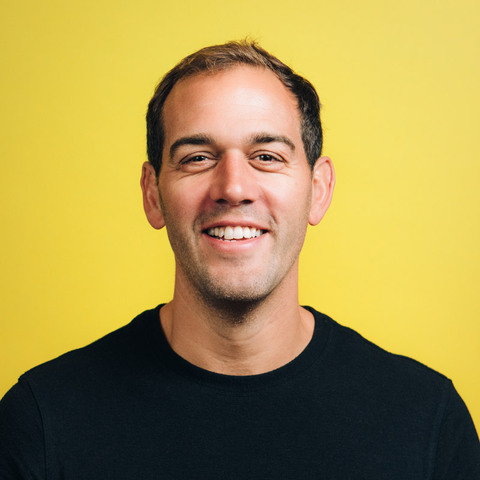
Ben Aston is joined by Stephen Regenold—Vice President of Strategy at AllGear Digital. Listen to learn how to relaunch a media company!
Interview Highlights
- How to relaunch a media company [1:29]
- Stephen is the founder of GearJunkie.
- He’s a publisher of the site, which means he had his hands in both the editorial and the business side and helped grow the company to a point where they sold it.
- GearJunkie was sold to Lola Digital Media and they brought Stephen in to replicate essentially what GearJunkie was on a bigger scale.
- They made a plan to do acquisitions in organic growth and then moved toward a relaunch of the company, which came to fruition about two months ago.
- Lola Digital Media relaunches as AllGear Digital.
- They’ve done 6 acquisitions after GearJunkie, and they've all been core on outdoor, adventure, active lifestyle, product-centric sites.
- Their thesis was to buy sites that were either under monetized or they saw more potential.
- Some of the other sites became deprioritized that didn't fit this thesis.
- They made more acquisitions in this space and came to the decision that this is the direction they wanted the company to go.
- Stephen is the founder of GearJunkie.
- The synergies that Stephen was hoping to realize as a result of narrowing the focus [3:29]
- Internally, the cohesion of the brands under this topic of outdoor adventure in gear and active lifestyle. You're speaking the same language in-house, and that goes from editorial through sales, etc.
- Externally, they can sell these bigger network deals across a network that is congruent reaching a similar demographic.
- The affiliate commerce: they have a department in-house that focuses across all the sites to build congruent processes and a playbook to scale affiliate commerce.
- How Stephen ensures it's cross-pollination versus cannibalization in terms of their audience or advertisers and the impact of that [5:31]
- They do see some cannibalization, but the wins outweigh the losses.
- On the readership part: the verticals are pretty well established.
- What's different about AllGear Digital compared to Lola [7:20]
- Lola, as a company, owns 12 to 14 different properties. They’ve just prioritized the stack of properties underneath the AllGear banner.
- They own a couple other sites, like a job board, a TV entertainment site, a couple pet sites.
- These don't fit within the new thesis.
- Internally, they’re focusing on journalistic quality and brands that audiences love and will buy a t-shirt for.
- There's better cohesion when people are pointing the same direction—looking at similar readers, going to similar trade shows, sharing resources around photo shoots and different gear tests—all these synergies add up to a big increase in efficiency.
- What did success look like for Stephen [8:47]
- Audience statistics.
- Internally: company culture and getting people to rally around something, be proud of it, and want to get up every day and push it.
- Externally: having this cohesive brand that readers or advertisers can look at and instantly understand what it is and identify with it and interface it with AllGear Digital.
- Stephen’s role in launching the AllGear Digital [10:40]
- Stephen is the head of strategy.
- Essentially looking at the bigger themes, connecting dots, helping with partnerships.
- He knows a lot of people in the media landscape, especially in the outdoor gear adventure landscape, so a lot of their acquisitions were founders he knew or admired or had been in touch with for years.
- Having the nuance understanding of the space and knowing how to relaunch a brand that's going to resonate both with internal stakeholders (employees and writers) and externally with the brand partners and the advertisers.
- Their CEO, Eric and Chief Legal Officer, Alex, and all the top guys helped raise money last year to relaunch the company and worked extremely hard to get it off the ground.
- Stephen is the head of strategy.
- The most difficult aspect of changing focus and relaunching the company [13:28]
- Focusing on the right pieces and parts of the company was the most difficult. Because when you're doing a media roll up, there's so many strong, independent voices internally.
- Building more efficient workflows and figuring out who to put where and who's best suited for each seat.
- Figuring out how to prioritize each media property, how much budget and personnel to put on each one, and what kind of strategy to put on each.
- How much of the strategy can be universally applied across the portfolio versus this site needs specific strategies.
- Lean into what's working on each site instead of trying to stamp something across the whole portfolio.
- How to slice and dice the budget when you have a big portfolio of sites [15:14]
- There are a lot of shared responsibilities that really make a roll up efficient:
- IT/Dev can work across all the sites pretty evenly as needed.
- Affiliate or network advertising deals can be closed across the sites.
- There's things like: Who do you hire? Where do you put the money for organic internal growth? Where do you focus?
- There are a lot of shared responsibilities that really make a roll up efficient:
- The team structure [16:42]
- The editorial template is fairly similar on each site.
- They have an affiliate team that oversees all affiliate functions, but also communicates with the editors at the site level.
- Their org chart is focused around giving autonomy to each site, but also having oversight so that they’re making sure that the process is appropriately run.
- All the sites have multiple editorial people that are committed just to those sites, as well as access to a lot of freelance or contract writers.
- They’re producing dozens of articles a week. Each site has an editor-in-chief and usually one to five editors underneath that, or writers, and then a big stack of freelance writers as well.
We are really focused on both quality and quantity. We want to do the best work, but also produce it at scale.
Stephen Regenold
- GearJunkie has probably 10 to 15 people each day that are working on producing content. They’re doing 10 to 15 articles per day + some video + some social + they do a podcast.
- WildSnow is the smallest. It just has essentially one editor and some freelancers.
- Some lessons learned along the way with the relaunch in general [19:40]
- AllGear was the division name and it ended up being AllGear Digital.
- They really like the focus that AllGear gives as a name.
- It had some traction already, both internally and externally. So it had a year plus of brand equity where something new would've been something new.
- Focusing on which sites get which kind of priority.
- AllGear was the division name and it ended up being AllGear Digital.
- The main KPIs that Stephen looks at and how he assess the health of the business [21:26]
- Top of mind:
- Talent acquisition
- Do people want to work here?
- Do they know the brand?
- Can we get the best people involved?
- Can we get the industry excited about what we're doing?
- Getting more quantitative: it's audience numbers and time on page.
- Other metrics:
- Can we sell these bigger direct deals across the network?
- Is that thesis resonating with the ad agencies and the media planners?
- Top of mind:
- How Stephen makes the decision in terms of acquire versus build [24:40]
- The money that they have to grow can be used internally, for organic growth, or externally for acquisition.
Acquisition is difficult, because you can't just go out and grocery shop for new media properties that fit your thesis. It's more of a longer term play. It's relationship building.
Stephen Regenold
- Stephen has seen both ends:
- Roll ups that are very acquisitive and they can just get too big for their britches.
- Entities that stall out because they only focus internally and they lift their head up to figure out how they can grow externally.
- The biggest challenges that Stephen face [26:39]
- You have to stay so nimble in this media landscape because it is always evolving.
Meet Our Guest
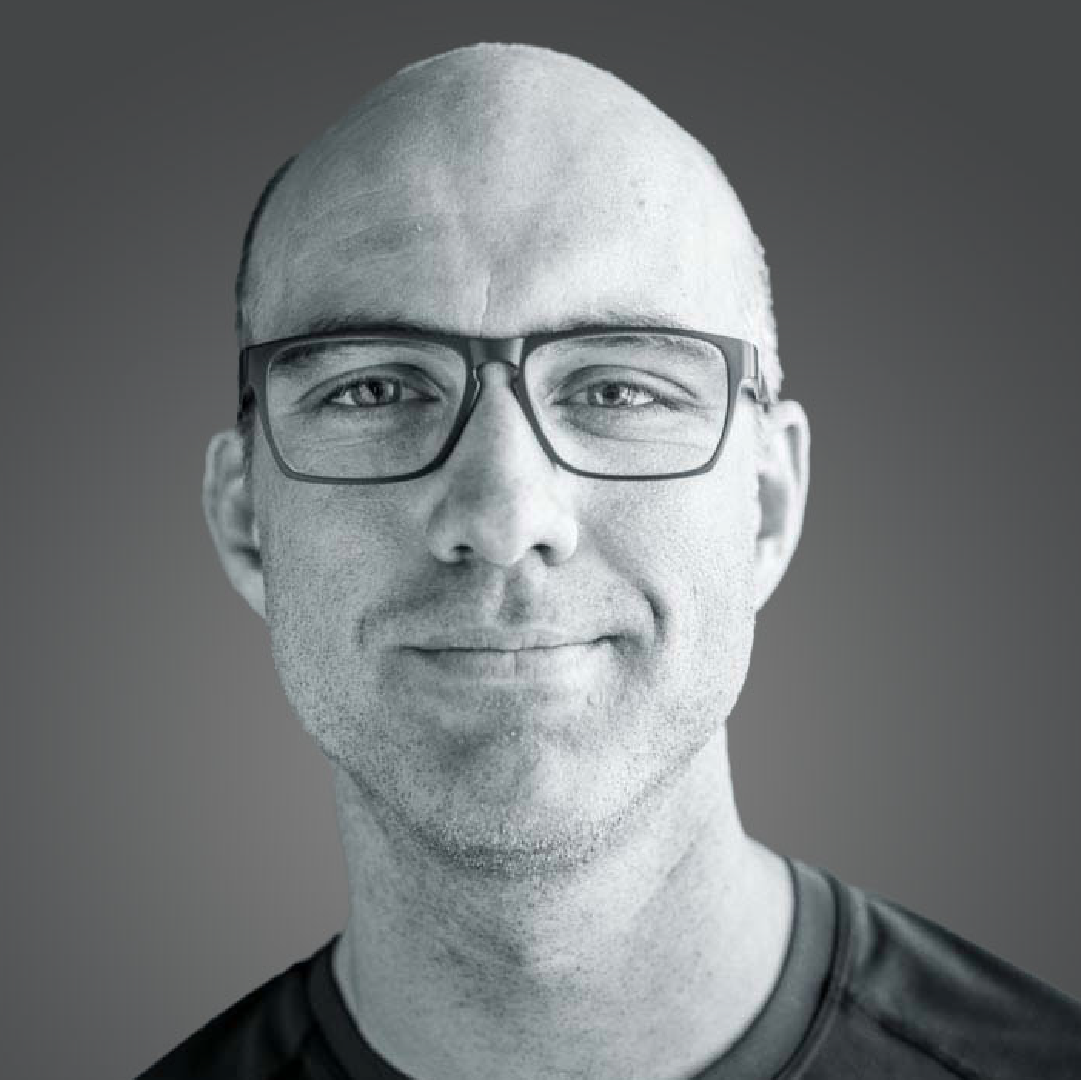
Stephen Regenold is a journalist by training and a former writer for the New York Times. He founded GearJunkie, a popular publication about gear and the outdoors, which was acquired by AllGear Digital in 2020. Stephen now serves as VP of Strategy, overseeing business and editorial staff.
We do have an aggressive plan to grow with acquisitions. But we also want to foster what we've built and make sure that our employees are happy and that we're keeping the budget going where it needs to go so that we can grow.
Stephen Regenold
Resources from this episode:
- Apply to join the Indie Media Club
- Subscribe to the newsletter to get our latest articles and podcasts
- Connect with Stephen on LinkedIn and Twitter
- Check out GearJunkie and AllGear Digital
Related articles and podcasts:
Read The Transcript:
We’re trying out transcribing our podcasts using a software program. Please forgive any typos as the bot isn’t correct 100% of the time.
Ben Aston: Welcome to the Indie Media Club podcast. I’m Ben Aston, founder of the Indie Media Club. We’re on a mission to help independent, bootstrapped media entrepreneurs succeed, to help people who create, promote, and monetize through content—do it better. Check out indiemedia.club to find out more.
Today I’m joined by Stephen Regenold, and two years ago he came onto the show to talk about how to prepare for your big exit. He exited and he’s back this time to talk about what happened next.
A quick backstory on Stephen. He is a former writer from the New York Times, a climber, a skier, an ultra endurance athlete, and he founded GearJunkie in 2002. 14 years later, he had a mid seven figure exit and began then working with the acquirer to build and refocus their network of digital media publications.
So keep listening to today’s podcast to learn how to relaunch media company.
Hey Stephen, thanks so much for joining us today.
Stephen Regenold: Hey Ben! Good to be here.
Ben Aston: And I wanna start by just talking about what it takes to relaunch a media company and how that came about? You joined Lola as they were then as VP of strategy to help build out this network of publications.
And you, I guess, figured at that point that there was a refocus that was required. Tell us about how you kind of came about to that epiphany.
Stephen Regenold: Yeah. I was brought in as founder of GearJunkie. I was publisher of the site, which means I had my hands in both the editorial and the business side and helped grow the company to a point where we sold it. And Lola brought me in really to replicate essentially what GearJunkie was on a bigger scale.
So, we made a plan to do acquisitions in organic growth and then move toward a relaunch of the company, which came to fruition about two months ago.
Ben Aston: Cool. And so tell us about that evolution then, Lola relaunches as AllGear with that corporate rebrand. How did that all come about and what were the big, I guess, changes that drove that?
Stephen Regenold: Yeah, it was kind of half strategic and half organic. So we did have the vision and we actually launched AllGear as a division of Lola Digital Media initially, and that was about a year and a half as we built and acquired. We’ve done six acquisitions after GearJunkie, and they’ve all been kind of core outdoor, adventure, active lifestyle, product-centric sites.
So our thesis was to buy sites that were either under monetized or we saw more potential and we’re able to put the GearJunkie and load the digital business playbook on top and then scale those sites. So AllGear launch, like I said, as a division. And then as that division just saw more success, some of the other sites became deprioritized that didn’t fit this thesis. And we made more acquisitions in this space and just kind of came to the decision that this is the direction we wanted the company to go.
And maybe that was a year ago, and you know, it took a year to get to that relaunch point.
Ben Aston: And so the thesis around beginning to pivot the business or focus the business more under the AllGear umbrella, was that based on the advertiser synergy that you saw? Or what were the synergies that you were hoping to realize as a result of narrowing the focus?
Stephen Regenold: Yeah, I think it’s kind of three things. It’s internally, I think the cohesion of the brands under this topic of outdoor adventure in gear and active lifestyle. You’re kind of speaking the same language in-house, and that goes from editorial through sales, etc. And then more on the external side, we can sell these bigger network deals across a network that is congruent reaching a similar demographic.
So last year we did a big deal with Toyota, for example. And it was a seven figure direct sold deal that we built across the AllGear network. So GearJunkie was kind of the home of the campaign, and then we were able to distribute the media and the content across the six additional sites. And then maybe third is just the affiliate commerce.
And we have a department in-house that focuses across all the sites to build congruent processes and a playbook to scale affiliate commerce. So that’s buyer’s guides and gear reviews that link out to, you know, REI and Evo and Backcountry.com and to a smaller extent, Amazon, where we get a percentage cut of the sales.
So that’s the other big pillar of revenue and in internal focus. And with a roll up that has a topic matter focus, in this case outdoor adventure gear, you’re able to again, kind of speak the same language internally, which I think is just a real efficiency play. But then externally communicating with say, REI and offering the scale of seven additional properties and millions of readers on either the advertising or the affiliate theme is more effective, cause it’s just bigger scale.
Ben Aston: Right. And so in terms of, as you decided to focus around outdoor lifestyle and adventure, how did you figure out how to manage the potential cannibalization? And how do you ensure it’s cross-pollination versus cannibalization in terms of your audience or advertisers and the impact of that?
Stephen Regenold: Yeah. We do see some cannibalization, I guess, but I think the wins outweigh the losses there. One example might be in search engine result pages, SERP. So we might compete GearJunkie and Switchback Travel. For example, two of our sites on Best Hiking Boots. We might compete for a place on a Google search page, but if we can own, say, you know, positions one through five or be in that stack with GearJunkie and Switchback and some of our other sites, that’s part of our strategy.
And it does create some sort of healthy internal competition too with some of the writers. So, that’s one example. On the readership part, the verticals are pretty well established. It’s GearJunkie’s pretty general. But then we have Bikerumor and iRunFar and The Inertia, which is a surf site. So they don’t compete so much on audience other than the fact that the audience is likely, potentially interested in a few of these topic areas.
Ben Aston: So are each of these publications, they have their own content strategy that’s independent from the other sites in your network?
Stephen Regenold: Yeah, exactly. Each site has an editor-in-chief and an editorial calendar and a daily kind of news churn where they’re trying to stay on top of the trends and be the voice of their space.
And then there is occasions like, again, say best hiking boots. A few of the sites might cover that, but maybe through a little bit of their own lens.
Ben Aston: Right. And so tell us about the actual evolution and in terms of that relaunching process. In, you know, nuts and bolts, what’s different now apart from reframing the properties under this new umbrella?
What’s different about AllGear Digital compared to Lola, other than the sites in that mix?
Stephen Regenold: Yeah. Lola, as a company, we own 12 to 14 different properties, kind of depending how you slice them up. And we’ve just prioritized the stack of properties underneath the AllGear banner. So that’s sort of the public facing behind the scenes.
We do own a couple other sites. We own a job board. We own a TV entertainment site. We own a couple pet sites. Those don’t fit within the new thesis. And so when we’re going to an advertiser, we’re not gonna put “my pet needs that” into a proposal about outdoor gear. So that’s kind of the external part.
Internally, also, we’re just focusing on journalistic quality and brands that audiences love and will buy a t-shirt for. You know, that’s kind of a litmus, like, would you wear a T-shirt from this brand? Would you identify with it? So we’re trying to really develop passionate audiences around these brands.
And again, internally, there’s better just cohesion when people are pointing the same direction. We’re all kind of looking at similar readers. We’re probably going to similar trade shows. We can share resources around photo shoots and different gear tests. And so all those synergies kind of add up to a big increase in efficiency.
Ben Aston: And in terms of measuring success, I’m curious, before you decided to relaunch as AllGear, what did success in your mind look like? How would you have known if it was worth it or not?
Stephen Regenold: I mean, you have your bottom line, so that’s always probably the big metric to look at. But obviously audience statistics.
I think some other more squishy things are like company culture and getting people to rally around something, be proud of it, want to get up every day and push it and build. That’s been part of the initiative internally. And then, you know, externally having this cohesive brand that readers or advertisers can look at and instantly understand what it is and identify with it and interface it with AllGear Digital, how they might. So I guess those are a couple top of mind.
Ben Aston: And so in terms of your acquisitions of other publishers that you brought into your network, The Inertia and WildSnow was, did that happen before the rebrand or after?
And what was the role, how important do you think that rebrand was in that process?
Stephen Regenold: Yeah, we’ve acquired six properties. I guess it would be Suns GearJunkie. The Inertia and WildSnow were the most recent. And before that, yeah, we acquired them under the Lola Digital banner. I think maybe where you’re getting at is, does the rebrand help in the acquisitions, et cetera?
Yes. The answer is yes. And I think that once we launched the AllGear division, then we can communicate to the site founders about our bigger vision, our bigger strategies. So initially, Lola Digital reaching out to like a core ultra running site, it’s fine, it’s a media roll up, but it might be more enticing for a founder to jump into a network of like-minded people and like-minded topic sites.
Ben Aston: Yeah. So tell us about what your role was. Obviously, you came into Lola and enabled this, I guess, developed the thesis, I guess, to really consolidate the properties around the AllGear brand. So what did you actually do to make it all happen?
Stephen Regenold: Yeah, I mean, it was no, by no means just me, but I’m head of strategy. So that’s an amorphous title, but essentially looking at the bigger themes, connecting dots, helping with partnerships. I know a lot of people in the media landscape, especially kind of this outdoor gear adventure landscape, so a lot of our acquisitions were founders I knew or admired or had been in touch with for years.
That was a big part of it. And then also just having the nuance understanding of this space and knowing how to relaunch a brand in this space that’s going to resonate both with internally our stakeholders, which are employees and writers. And externally with the brand partners and the advertisers. So some of those big kind of mushy strategy things I think I contributed to.
But then, you know, Eric, our CEO and Alex, our chief legal and all the top guys helped raise a bunch of money last year and relaunched a company of, you know, worked extremely hard to get this off the ground and launch. So it’s by no means just me.
Ben Aston: Yeah. And so obviously, there was fundraising that went on, acquisitions that came in.
Was that all, you know, the raising of finance and the acquisitions, was that part, would you see that as part of the relaunch? Or was that what enabled you to really consider consolidating around outdoor adventure?
Stephen Regenold: I guess so hand in hand, we went into that fundraise with the messaging that we were building a new and bigger and better strategy. So that was the messaging and the strategy from the start. And the start, meaning when we went to market to get the financing and build the plan. So it was hand in hand.
Ben Aston: Yeah. And what was the, in that process, did you set a timeline for when you wanted to have this wrapped and make the switch? How much detail did you put into this rebrand, this relaunch process?
Stephen Regenold: I think we had a rough timeline and when we went through the financing, went through that raise, it was more about the AllGear division and not so much relaunching the company. So more just showing our bigger vision, whether or not that’s a new company theme or just sort of adding fuel to this division.
That’s cuz AllGear had already been alive and successful for, I don’t know, a year or so. And so it wasn’t new but then over the last year, we again just sort of focused and decided to really prioritize this part of the company.
Ben Aston: And in terms of that shifting priorities and obviously deprioritizing some of those other sites that, as you said, no longer really fell within the core of what you were trying to be as a media company.
What was the most difficult aspect of changing focus and relaunching the company?
Stephen Regenold: I think, yeah, I mean, focusing on the right pieces and parts of the company. Maybe that was the most difficult because when you’re doing a media roll up, there’s so many strong, independent voices internally. You’re putting together all these entrepreneurs and media founders into one place and then saying, Hey, guys, work together.
So I think parsing that and building more efficient workflows and figuring out who to put where, who’s best suited for each seat. Just kind of that matrix. And then also just figuring out how to prioritize each media property, how much budget and you know, personnel to put on each one, and what kind of strategy to put on each. And how much of the strategy can kind of be universally applied across the portfolio versus this site needs a specific strategies.
So some of our sites were bigger scale audiences and programmatically-driven, others are very niche and more affiliate-driven. So that was one of the learnings over the last couple years is lean into what’s working on each site instead of trying to stamp something across the whole portfolio that it’s a fit on a macro level, but it may work better to prioritize differently on each site.
Ben Aston: And so, yeah, talk just for a minute about how you do that prioritization as you increase the number of publications in the portfolio. How do you pass out budgets between those publications and evaluate the potential of those different pubs to assign a budget?
Cause I think at different stages of maturity, obviously different sites show different signs of potential, but I’m curious how you, when you have a big portfolio of sites, how you slice and dice that budget?
Stephen Regenold: Yeah, a couple things come to mind. One is that there are a lot of shared responsibilities that really make a roll up efficient. So things like our IT, our dev can work across all the sites pretty evenly as needed.
Affiliate or network advertising deals can be closed across the sites. But then there’s things like, who do you hire? Where do you put the money for organic internal growth? Where do you focus? So that’s where you need to be careful around kind of growth and just making revenue and building audience of something that’s already rolling.
So again, some of the properties are millions of readers and very successful, and others are pretty scrappy and kind of just getting off the ground. So, they’re different and there’s no sort of congruent answer other than we need to look sort of really in depth at each one and figure out a plan for each one.
And then also on a macro, like what are the efficiencies that we can do or the playbook we can apply across the board.
Ben Aston: Yeah. And in terms of, I’m curious as to that team structure. So obviously you talked about the, I guess, pan publication departments that you have like sales, like development, but then drilling down onto that individual site level, how much, I mean you, you talked about allowing each site to play to its strengths.
But how do those teams differ in terms of on a site level, who’s on the team and how you resource that?
Stephen Regenold: The editorial template is fairly similar on each site, and that’s kind of the product, right? It’s producing articles and videos and sometimes social media, although we have a team that does that. So we have an affiliate team that oversees all affiliate functions, but then that team communicates with the editors at the site level.
For example, we have a sales department that focuses, each salesperson might have a site that they sort of own, but they also focus on the whole network. We have an editorial director, so he, Sean McCoy, is essentially the boss of all the editor in chiefs and keeps tab of kind of the macro. So I think it’s a pretty well worn kind of hierarchy that we build.
Our org chart is just focused around giving autonomy to each site, but also having oversight so that we’re making sure that the process are appropriately run.
Ben Aston: And so each site has its own editor-in-chief, and then do they have further editors and full-time writers under them? Or how does that work?
Stephen Regenold: They do. All the sites have multiple editorial people that are committed just to those sites, as well as access to a lot of freelance or contract writers.
So we’re producing many dozens of articles a week. I don’t know what the current count is, but a ton of content. So each site has an editor-in-chief and usually one to five editors underneath that, or writers, and then a big stack of freelance writers as well.
So we are really focused on both quality and quantity. You know, we wanna do the best work, but also produce it at scale. GearJunkie is probably 10 to 15 people each day that are working on producing content. And we’re doing, you know, probably about that many articles, 10 to 15 articles per day, plus some video, plus some social, plus we do a podcast. So a lot going on with GearJunkie.
And then some of the other sites are more niche. WildSnow is our smallest. It just has essentially one editor and some freelancers, and then you know, it scale up and down from there depending on which site you’re looking at.
Ben Aston: And so, as you’ve tried to operationalize this across the site, but also thinking about in terms of this relaunch, what’s working, what’s not, what’s on the ground, what’s changing or evolving?
Stephen Regenold: Again, it’s kind of knowing where to put budget and where to put personnel, and then some of that support personnel, where do they focus? Because if it’s gonna move the needle more to say do another 10 best of buyers guides on GearJunkie versus on WildSnow, we need to put the focus on GearJunkie. But you can’t neglect the little guys either, cuz we purchased these sites and we wanna foster them and grow them. So it’s finding that balance.
Ben Aston: Yeah. And in terms of looking back and thinking about, you know, all that’s happened in through the relaunch, is there anything that you would do differently next time? Any major lessons learned along the way that you can take away?
Stephen Regenold: With the relaunch in general? I feel like, well, it’s kind of funny because AllGear was the division name and it ended up being AllGear Digital is our new company name.
We kicked her on a lot of other scenarios and ab coming back to AllGear. So that may be, you know, it’s one of those things where the right answer was in front of your face from the start. Even though we had multiple meetings and all sorts of branding and brainstorming and lists of names, and so, you know, that’s one thing, who knows?
But we really like the focus that AllGear gives as a name and it just worked. Also, it had some traction already, both internally and externally. So it had a year plus of kind of brand equity where something new would’ve been something new. So that was one lesson. And then again, I don’t mean to beat a dead horse, but again, like focusing on which sites get which kind of priority.
And it was more kind of egalitarian initially. Like let’s do five new buyers guides per month per site, or whatever. And that ended up, you know, it, it would’ve been better to do eight on GearJunkie and two on iRunFar, or whatever it is. That’s not the exact mix, but prioritizing differently. So we probably should have learned that a little earlier, although no harm, you know, we’re still rolling.
Ben Aston: Yeah. And in terms of, as you think about and reflect on, you know, the success or failure of the relaunch and the transition you’ve made. I mean, you talked previously about how you measure success in terms of the bottom line, in terms of engagement that the team has. But what are your top three metrics in terms of, as you’re looking at AllGear Digital, what are your main KPIs that you look at?
How do you assess the health of the business?
Stephen Regenold: Talent acquisition? Do people want to work here? Do they know the brand? Can we get the best people involved? Can we get the industry excited about what we’re doing? Those are top of mind to me. Getting more, you know, quantitative, it’s audience numbers and time on page.
Maybe we have 3 million readers a month, but are they on the page for 30 seconds or are they on it for five minutes? Cause that makes a big difference. So increasing the quality and looking at metrics like that to sort of measure. And then also can we sell these bigger direct deals across the network? Is that thesis resonating with the ad agencies and the media planners, and how can we double down and grow that?
Ben Aston: Yeah. And I’m curious in terms of just technically on now all of the properties consolidated onto a single CMS and publishing workflow, and just in terms of that actual content operations, as you acquire new sites, how does that work and what efficiencies have you been able to build into that?
Stephen Regenold: Yeah, that’s sort of an ongoing technical challenge when you’re building a roll up. Fortunately, WordPress is very pervasive across the web, and I believe every site except one that we’ve acquired has been WordPress. And we do have a replatforming going on right now across several of the properties. So having that backend congruency with the CMS and the ad serving is really important, and that’s the goal.
We do have at least one or two sites that are platform unique, which likely we’ll bring onto the platform. So yeah, that’s some of the behind the scenes that you don’t think about right away. But if we can all get on the same CMS and serve the ads across the network on the same ad server, it’s just, that’s the natural move.
Ben Aston: Definitely. Well, tell us what is ahead on the AllGear roadmap. Obviously, you’ve raised some finance, you’ve done some acquisitions. What lies ahead this year and, and beyond?
Stephen Regenold: Just doubling down on that. We’re really in the midst of conversations with 5 to 10 additional media properties right now that we’re looking to partner with or acquire.
So that’s a big part of my day-to-day. And then building our name across, you know, the industry with ad buyers and also to a lesser extent with consumers in getting on the radar, getting this brand AllGear Digital be more of a household name. And just developing kind of all the divisions that we’ve established and focusing on organic growth as well as acquisition and kind of not losing sight of either.
So we do have a, you know, an aggressive plan to grow with acquisitions, but we also want to foster what we’ve built and make sure that our employees are happy and that we’re keeping budget going where it needs to go so that we can grow.
Ben Aston: And how do you make that decision in terms of acquire versus build? Because, yeah, you could just, you know, slowly build this out or you can, yeah, you can pay money by another site that’s already monetized and already has an audience. So how do you make that decision as you grow organically versus acquire? How to choose what to do?
Stephen Regenold: Yeah. The money that we have to grow can be used internally, organic for organic growth or externally for acquisition.
So that was smart to by our CEO and COO to set this up and our to have sort of the freedom to build where is most advantageous at the moment. So acquisition is difficult because you can’t just go out and grocery shop for new media properties that fit your thesis. So it’s more of a longer term play. It’s more of a relationship building.
And will those talks and negotiations and process are going on, you can be building internally. So I think the leadership here is really smart to look at both of those levers. And cuz I’ve I’ve seen both ends. You know, we’ve seen roll ups that are very acquisitive and they can just get too big for their britches.
And then we’ve seen entities that kind of stall out because they only focus internally and they don’t poke their head up to figure out how they can grow from external.
Ben Aston: Yeah, it’s an interesting challenge. Having done an acquisition last year, it was more of a technical acquisition, but it’s a big, it’s a big, long process.
Stephen Regenold: Yeah, definitely.
Ben Aston: With all the due diligence and integration and transitioning. So I’m a bit gun shy on the acquisition side. Not because it’s gone badly, but just because it’s so much work and there’s an opportunity cost to that attention that you pay on it.
Stephen Regenold: Exactly. Yeah. You have to have people that are, have their eye off the internal ball because it takes, yeah, to build a pipeline and to get those conversations and then to get an LOI and get negotiations and it’s can be a, you know, one to two year process sometimes.
Ben Aston: Yeah. And so in terms of that roadmap and continuing to acquire and continuing to grow organically, what’s the toughest thing that you deal with? What keeps you up at night? What are the biggest challenges that you face?
Stephen Regenold: Oh, you know, a million things, but I think you gotta stay so nimble in this media landscape because it is just always evolving.
And in particular, this niche that we’re looking at right now, which are content based sites in this outdoor venture gear realm that are independently owned and have some traction and meet kind of our revenue and audience criteria. Like it’s pretty slim picking. So we are cognizant of the fact that there’s not 10,000 targets out there.
So that’s a challenge. You know, there’s been a lot of rollups in the last five years and I mean, heck, I sold my company to one. So it’s the part of initial cycle. And we’re probably in 10 good conversations right now, so there are targets, but it’s also. Again, so that’s a challenge. I think another challenge is, I mean, you know, we could rattle a bunch off, but just competing with the big tech platforms that are always the 800 pound gorillas competing with, you know, potentially AI coming down the pipe and all sorts of things.
So it’s always fun.
Ben Aston: Yeah, for sure. Cool. Well, we’re gonna wrap it there, Stephen. Thank you so much for joining us today.
Tell us how can people find more about what you’re up to and what you’re doing?
Stephen Regenold: Yeah. Allgeardigital.com is our home base, and then GearJunkie is the site I built and I’m still pretty associated with. I do some writing and gear testing. And then just LinkedIn or Twitter. I’m kind of active on both a little bit. So happy to connect.
Ben Aston: Awesome. Well, thank you so much for joining us today. It’s been great having you with us.
Stephen Regenold: Yeah, thanks Ben.
Ben Aston: And if you like what you heard today, please subscribe and stay in touch on indiemedia.club. And please leave us a review on iTunes, too.
But until next time, thanks so much for listening.