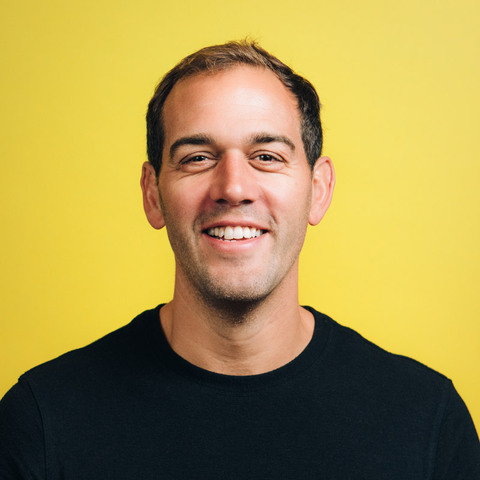
Ben Aston is joined by Brad Smith, CEO of 3 content companies—Wordable, uSERP, and Codeless. Listen to learn how to scale content and links like billion-dollar brands.
Interview Highlights
- Brad started Codeless with his business partner 8 to 10 years ago and he shares how he went from being a content writer to becoming CEO of three content companies [1:41]
- 4 or 5 years ago, Brad and his team spun out uSERP, their second company. It's been growing a lot and then they acquired Wordable 2 years ago. [5:12]
- Brad shares some of his biggest screw-ups over the past decade and what he learned from them. [6:01]
- It's obviously easier to rank on huge websites, but there's a reason they're big websites in the first place. And that's because they're spending tons of money on brand-building activities, advertising, social and paid ads, and also link-building and other stuff. [9:43]
Get objective. Take this very gray, fuzzy, subjective thing, like content creation and really make it as objective as possible.
Brad Smith
- SaaS companies and affiliate companies, or media companies should produce similar styles of content. But a lot of times it also depends on where the company's at. [14:47]
- Most good SaaS companies are very technical, which means they don't often have marketing and branding people at the helm or high up in the company yet. [15:24]
Generally speaking, keywords with higher commercial intent also have a higher cost per click, because more advertisers are bidding on them.
Brad Smith
- If you're on a limited budget, you should probably focus on bottom of the funnel, like case studies and testimonials, which both are user generated. So that should cost less in an ideal world and you could stretch your budget a little further. [20:21]
- If you're too small, you often can't rank for the stuff that brings in the most money. So that means you need to get bigger by going after less targeted, less competitive, usually more top-of-the-funnel stuff to build up your domain authority and your topical authority before you're able to go back and compete for the competitive stuff again. [20:46]
- It's important to be aware of where you currently are and where you're trying to go and who you're trying to compete against. A lot of times people choose the wrong keywords, in the first place. So it doesn't matter how good your content is, doesn't matter how good your distribution is. If you're choosing the wrong keyword in the first place, you have no business ranking for. [21:29]
- If somebody who's really good at outreach or making connections with journalists or bloggers to get backlinks is usually not good at technical SEO or is not good at content creation and vice versa. [23:28]
- SERPs are moving targets. Just because you optimize it 1 month or 1 day doesn't mean 6 months from now you're not gonna need to tweak things or improve things. [27:01]
Be really clear on what kind of content you're trying to create and why.
Brad Smith
- Yes, you need good people, but if you have a good system, people are also replaceable. [32:50]
- Brad's recommended book is called The First Tycoon by T.J. Stiles. [41:47]
Meet Our Guest
Brad Smith is the CEO of 3 content companies—Wordable, uSERP, and Codeless—a content production company used by brands, including Monday, ActiveCampaign, and Zapier. They provide strategy, SEO, writing, design, and video. They produce hundreds of long-form articles each month for some of the biggest SAS service and affiliate brands in some of the most competitive spaces on the internet.

You need to learn what works and what doesn't by actually doing it.
Brad Smith
Resources from this episode:
- Apply to join the Indie Media Club
- Subscribe to the newsletter to get our latest articles and podcasts
- Follow Brad on LinkedIn
Related articles and podcasts:
Read The Transcript:
We’re trying out transcribing our podcasts using a software program. Please forgive any typos as the bot isn’t correct 100% of the time.
Ben Aston
Welcome to The Indie Media Club podcast. I’m Ben Aston, founder of The Indie Media Club. We’re on a mission to help independent, bootstrapped media entrepreneurs succeed to help people who create, promote, and monetize through content—do it better. Check out indiemedia.club to find out more.
So, today I’m joined by Brad Smith and he is the CEO at 3 content companies—Wordable, uSERP, and Codeless—a content production company used by brands, including Monday, ActiveCampaign, and Zapier. And they provide strategy, SEO, writing, design, and video. They produce hundreds of long-form articles each month for some of the biggest SAS service and affiliate brands in some of the most competitive spaces on the internet.
So today, you are gonna learn how to scale content and links like some of these billion-dollar brands. Hey Brad, thanks so much for joining us today.
Brad Smith
Thanks for having me Ben, looking forward to it. I feel like that bio makes it sound like I actually know what I’m doing, which is nice. So, thank you. Thank you for that. I appreciate it.
Ben Aston
Well, let’s talk about how you do know what you’re doing and take us back to the beginning. How did you go from content writer to CEO of three content companies? Take us on that journey.
Brad Smith
It’s a long story. I’ll try to give you the cliff notes to not put everyone to sleep.
But I started doing kind of my own freelance and consulting and marketing stuff about a decade ago. I worked with a bunch of other little companies before that in-house at places and ransom stuff in the marketing space. Then went out on my own and was able to kind of just hustle my way through.
And we started a, we started Codeless actually, I started with a business partner closer to a decade ago, 8 to 10 years ago, something like that. We were a different company before, we were trying to do more like full-service agency-type stuff, which is impossible, which we can get into if you’d like, but just didn’t work for a variety of reasons.
I had no idea what I was doing. We’ve split the company. Found out that as I was trying to do SEO and other stuff, I was writing a lot for free for a lot of big publications, just trying to get like free attention so we could sell web design services and all this other stuff. And then I quickly realized that some of these companies were willing to pay me for it.
So it was kind of like a win-win where I got to get paid a little bit and promote our junk at the same time. That just kind of snowballed where I started realizing, okay, actually, there’s this new space where you can write like good content, not like crappy generic what people typically associate with like freelance writing.
And then companies are actually willing to pay a living wage for you to do it. Not just like text broker, you know, 6 cents a word type crap. So it just kind of was like a, not a happy accident, but a fortunate thing where I just realized like, oh, this is actually a growing space and I should just double down here and really focus on like becoming an expert at this one thing, as opposed to trying to like, do too many things and do ’em all awfully, or mediocre.
So from there, the other services, the other stuff we’re up to now today just kind of rolled out of that first thing where we started really doubling down on content from there. We realized people need a strategy behind it, ’cause most people don’t, unfortunately. And then some of the other stuff like distribution of that content, PR and link building, and uSERP grew out of that.
So yeah, it just all snowballed from there really where it took something that found out that I was good at and enjoyed doing and was able to kind of capitalize the right time, to then kind of double down in, in a bunch of different ways today.
Ben Aston
Nice. And so what’s your, what was your why, I guess right back at the beginning? And is it still the same? What gets you out of bed every day? What’s the problem that you’re solving that you still get excited about?
Brad Smith
That’s a good question. It has changed over time. At the beginning, I just needed money so I, and money got me out of bed in the morning, ’cause I needed to make more money to support a family. And I never had enough money and that was always an issue, obviously.
So it changed over time where I did stuff because I had to do it, or I worked with clients cause I had to do it. Or I worked with clients in the first place because it’s easier to sell, you know, one couple thousand dollars retainer at the time than it is to sell like a hundred people on a $20 app. So it’s easier to make money in the short term working with clients.
That’s changed completely now where I’m able to focus on like creative projects and building products and brands and that sort of thing. And that’s what I really enjoy doing. It’s a lot more fun building teams out to then like, run something. So get something to proof of concept, show that it works, and then put people in place, put processes in place where they can kind of manage it.
Cause I don’t enjoy managing people or things over the long term. So, that’s kind of, it has evolved over time as my need for money has decreased. And I have more time now. I’m able to kind of just do the fun stuff and cherry-pick like the front projects most of the time.
Ben Aston
Yeah. And tell how was this, I mean you condensed in a few minutes going from content writer to CEO of three content companies. How many years has that been?
Brad Smith
I originally went out on my own, like I said, at least 10 years ago, if not a little more. The first five years of that were painful. Then we started doing well and we had a real business as opposed to like, just me doing everything or everybody coming to me for everything.
So then probably like four or five years ago, we spun out uSERP, the second company and I have a great founding partner, Jeremy who’s actually the CEO of that business. And he has done an amazing job and it’s been growing a lot and then we acquired Wordable maybe two years ago. So it’s only in the last, you know, the first few years is always rough for a lot of reasons.
Cuz you don’t know what you’re doing. You don’t know how to, I was good at one thing like SEO, but I wasn’t good at like all the other facets of running a business. And so I think it took a lot of time to almost like work backward in a sense, and learn how to like manage people and hire and fire and manage money and cash flow and all the other skill sets that like you, you don’t learn until you kind of have to do it.
Ben Aston
Yeah. And so, I mean, you’ve mentioned rough times a few times. What, can you share what your biggest screw-up has been over the past decade and what you learned from that?
Brad Smith
That’s a good question. There’s been a lot, to be fair. I’ve had every on the a, when we first started the agency, for instance, I had ever we tried to do too many things.
Like we tried to sell websites and also dabble in app development and also do SEO and also do content. That made it impossible to hire, cuz you didn’t know like where the money was coming from next month. We tried to sell too many little projects instead of like bigger recurring revenue.
So you get really busy over the one or two or three months and you’re like, money’s good. This is great. And then you don’t do any like promotion or anything else beyond that, because you’re so busy and then you, your pipeline drives up or dries up and you don’t have any clients coming in the next day.
I’ve had months and years of not being able to pay myself, which is also very fun when you have a wife and kids at home, and you have to explain to them why you’re, again, not taking a paycheck this month. And why you, again, have a bank account that’s going negative. We had clients where they would, you know, just stop paying us for whatever reason.
And I was counting on that money for all the aforementioned reasons of negative bank accounts and the family supports. I pursued projects or services and put a bunch of money into it, knowing that like it was half-baked at the best and never worked, never, you know, got off the ground. I mean, there’s just loads and loads of screw-ups along the way.
That’s that, that are all locked away in this deep, dark PTSD side of my brain that I try not to revisit too often, to be honest.
Ben Aston
That’s all good. So, I mean, let’s talk about scaling content and links, like some of the billion-dollar brands that you work with, like Monday.com, ActiveCampaign, Zapier.
Tell us what these guys are doing. What are the brands doing? What are they ordering? How are they, what are they doing in the world of content and SEO to build their brand and to drive customer acquisition? And, I mean, these are SAS companies that we’re talking about, but what are they up to? Help us understand some of that strategy.
Brad Smith
Yeah, they’re doing a few things stuff like slightly differently than I would say like most people do or the most, way most people approach this stuff. They’re looking at both like very high volume and high quality at the same time, which is difficult. It’s usually one or the other that most people do.
And we can unpack that too, to say why. But when I say high volume, I mean like thousands of articles at a time, which means you’re doing keyword research, topic identification for like large batches of content, not just like a bunch of one-off stuff that, that people typically do, especially smaller brands, that little trap they get stuck in.
I think the big thing that it’s because the space is getting so commoditized and SERPs are becoming more difficult. And even on the media side, probably a lot of affiliate people see this where you get really awful huge brands, like PC Mag or forms or whatever, just like ranking for best mattresses and all kinds of crazy crap, like diff, just random categories that they frankly have no business ranking in, but they do.
So to compete against that means you either need to go super, super deep. Your stuff needs to be really good. So it’s much better than what they’re doing, or it needs to be insanely high volume. And so a lot of the biggest companies are trying to do all those things at the same time, which is very tricky, cuz it means you’re not just hiring or managing like one or two or three writers.
You’re managing dozens of topic experts in different fields. So for example, with Monday.com, if we’re writing a project management article, that’s a totally different writer than somebody who’s also writing for the construction industry. And in both cases, you need actual experts.
You can’t just like, again hire a text broker for 6 cents award and expect it to be pretty good. And then from there, so it’s almost like this factory process, this assembly line that you’re building out and then there’s also distribution factored in as well. So it’s obviously easier to rank on huge websites, but there’s a reason they’re big websites in the first place.
And that’s because they’re spending tons of money on brand-building activities, advertising, social ads and paid, and also link building and other stuff. So if you’re competing in competitive, my, my favorite, especially looking at like little affiliate stuff when they’re like, oh, where my pet site is ranking super well, and I didn’t do any link building.
And it’s like, yeah, well that’s cuz nobody’s, there’s no money in that space. Like there is, but not from like a big competitive standpoint. So if you’re playing with the big boys, guess what? You gotta roll up your sleeves and do some link-building and it’s gotta be really good. And that’s what I think big brands get right. If they do, they get all these little details right in this huge kind of assembly line, if that makes any sense.
Ben Aston
Yeah. And, let’s talk about so that they’re ordering a ton of articles. There’s high-quality articles from writers who actually know what they’re writing about.
And they’re combining that with link building across and trying to build topical authority with a ton of volume. Is that right?
Brad Smith
Yeah exactly. And a perfect example of this comes back to keyword research. So when most people do keyword research, they’re just looking at like, you know, the classic, like volume and keyword difficulty.
And there’s sometimes, or sometimes not factoring in like commercial intent. They’re not factoring in like what stage of the funnel this is in, what kind of writers can write different content based on the type it is too. So a bottom-of-the-funnel content writer may or may not be a good fit for like a top-of-the-funnel content writer for various reasons.
The other thing too is like, if you’re, let’s say you’re trying to rank for a really competitive keyword and Ahrefs tells you that it’s gonna take a hundred links to rank into the top 10 for this keyword. That’s assuming things like you already have topical authority and your domain authority, all the other steps are right. Like, if you’re doing this at a high level, you already know how you’re gonna get that a hundred likes and you know exactly how long it’s gonna take you and you know how much it’s gonna cost you. All this stuff is planned out, like before you actually put that article into, you know, a workflow to be created and other stuff.
And, again, most, most smaller brands, most medium size brands or people that are new at this don’t really a) have that like long-term kind of thought, and then b) they don’t know actually know how they’re gonna do it. So they don’t have that fulfillment or delivery system ready to go.
Ben Aston
Yeah. And so tell us about the common mistakes then that you pick up when brands come to you and there’s like, Hey, we need some content. We need some links. We need some stuff to rank because we’re trying to, we wanna drive top of fun or get some people onto our website because we wanna sell them our widget. What are the mistakes that they are typically that you are inheriting?
Brad Smith
Yeah, there’s usually a lot of common themes. One of them is they don’t, it’s a lot of boring stuff, to be honest. A lot of like content operations, a lot of us boring. Everyone thinks we’re getting hired to do the writing part and the strategy stuff. When in reality, a lot of times what we’re fixing or improving or helping with is like the boring operational stuff. So how does it go from this person to this person, to this team, or whatever?
What that means, in reality, is like, they don’t have good style guidelines, for example. They don’t have like uniform structures and processes for like, what is good content according to them. And where you see this is when people are like, oh, I can’t hire writers. Or they have like the one unicorn writer that they’re like, oh, this person’s amazing, but I can’t seem to find anyone else that’s good.
Another example of this is like, if someone gets a piece of content back and they’re like, oh, I don’t like this sentence, or I don’t like this phrasing on this, on this word. And you’re like, okay, well, why? And they usually struggle to explain why, it just doesn’t like sound right in air quotes to them.
And it’s usually like, it’s usually an indication of like, oh, okay, so you just like want it to sound like you. You don’t have like an actual uniform guideline for like, oh, this is what our good style means to us from a practical standpoint, meaning like, what do the H2s look like, and how are they written?
What grade level are you writing for? Like actually get objective, take this very gray, fuzzy, subjective thing, like content creation, and really make it as objective as possible. Those are some of like the most common, to be honest. And lots more, but.
Ben Aston
Yeah. And so, I mean, let’s talk about keyword research and topic identification, cuz this is, I mean you talked about, you know, yeah, top-of-funnel content, bottom-of-funnel content, and obviously some kind of identifying commercial intent in keyword selection. Like, what are we gonna write about? Has any, has, have people got any interest in buying our widget if they’re searching for this keyword?
So how do you help steer people towards or kind of gauge, I guess, commercial intent when you are doing your keyword research and topic identification? Because the, yeah, often the easier things, the easier terms to rank for, right, are dictionary terms. It’s like what is project management? What is the project life cycle? There’s very little commercial intent there, but so how do you, when you are working with partners, steer them into their funnel based, I guess, keyword content? And what do you look for in commercial intent around keywords?
Brad Smith
Yeah, it depends a little bit.
So it depends on like first the type of business. There are some similarities. So SaaS companies and affiliate companies, for example, should, or media companies should produce similar styles of content. Meaning like brand X versus brand Y best category, like you were saying, best project management tools for blah, blah, blah.
There should be similar types of content like that, but a lot of times it also depends on where the company’s at. And so you see this with early-stage companies who maybe they just raised a bunch of money and they’re in series A, but their demand authority has like, you know, 20 cuz they’ve been around for like a year or less.
And most, most good SaaS companies are very technical, which means they don’t often have marketing and branding people at the helm or high up in the company yet. And so they think they wanna rank for like best project management or project management against like the likes of Monday.com or whoever.
And it’s like, yeah that’s not gonna happen anytime soon. You have years of work ahead of you if you wanna like, kind of challenge that realm. So I think a lot of it comes down to like where the company’s at, but the good news is they can rank for bottom-of-the-funnel stuff that might be less competitive.
So some of those examples, like we just mentioned would be brand X versus brand Y. I think the key is to figure out or understand how people, how potential customers search for things, and what they call things, as opposed to like what you’re trying to become known for, if that makes any sense.
I’m trying to think of examples, but you see this with companies, like, I don’t know, the account-based marketing. Like people all try to like claim this, they try to create this new category cuz they have these very big ambitions. But the problem is if that lexicon isn’t in your customer’s vocabulary, they’re not searching for it.
And as SEOs, we can only what’s the expression. We can only harvest what’s already out there. We can’t create demand. We, you can, but it’s very expensive. It takes a long time. So a lot of it comes to understanding like how our customers actually search for what we are doing or selling, and then what are also like the motivations behind it, too.
So if I’m doing like, just keep it with the project management theme. If I’m doing project management software, like what are people actually trying to solve with project management? Cause like, yes, I might think or come to an understanding that I need a project management tool, but that’s not usually where it starts. It usually starts with like, why can’t my team hit deadlines?
Or how to manage a remote team or, like all those types of like more top of the funnel topics that then kind of trickle down into, okay, someone’s not only now comparing project management software or tools, but now they want to look at individual brands and pricing and all the other details. Another real shortcut or quick way of looking at this is when you’re doing keyword research is just to look at CPC on the paid ad side.
So, generally speaking, not always, but generally speaking, keywords with higher commercial intent also have a higher cost per click, because more advertisers are bidding on them. And that’s especially helpful in B2B spaces where volume might be really low. So like, if you’re deciding between 10 different keywords and their volume is between like, or their estimated volume, which is all crap.
Like, all those numbers from every keyword research tool is crap, like they’re not good. But if you were to overlay that like 20 versus 50 local monthly searches with a CPC of $10 versus $30, that kind of helps you figure out, oh, okay, I should be targeting this, you know, $30 keyword first.
Ben Aston
Yeah, thinking through that the buyer journey in terms of like solution unaware, so I don’t, yeah, I don’t know that I need a tool. Or I don’t know that I need this thing yet. I just have a team that’s disorganized, and trying to think through that trying to think through all the ways in which someone could conceivably discover that they might need a solution like they, they might think they need a process or they might think that they need a template or something.
Where actually they don’t know that there’s software out there that, that fixes that challenge for them. Yeah and thinking, going through that funnel, okay, as they become solution unaware to solution aware, Hey, I need a project management tool.
What are those different options? And now I’m beginning to look at options and I’m looking, okay, well, I need an in-depth review of Monday.com. Okay, now I’m gonna compare Monday with ClickUp. But actually, now I’m back to alternatives. What are alternatives to Monday.com and thinking through that whole buyer journey.
Brad Smith
Totally. Yeah. I was just gonna add onto that like, not even just different project management tools, but like Monday.com versus spreadsheets. Like, what are people already doing to solve this problem? Cuz they’re usually solving it in different ways. Like what are all the duct tape, band-aided workarounds that people are doing in their own life.
And that’s, this is like the type of stuff you, unfortunately, have to actually talk to people to, to gather sometimes like you don’t always just know this. So it’s, it sounds stupid and obvious, but like just talk to people, survey customers, like just get in the habit of actually talking to people as a marketer or a content person, cuz otherwise you may not know how they’re already trying to solve something or how they’re already and why they decided to solve it a certain way or with your tool or with another tool.
Ben Aston
Definitely. And so, I mean, it sounds like the solution to, you know, ranking. I mean, that we are talking about is we’ve talked about, you know, that buyer journey and working back up from that high commercial intent. Those are good keywords to prioritize, but then we want to actually fill our whole funnel.
So is it about quality with a limited budget? You know, you’ve got $10,000 to spend. Are you gonna spend that on trying to fill the buyer journey, like fill the funnel or focus on a part of it and make it really high quality? What’s your cool?
Brad Smith
If I’m at a limited budget, I’m probably gonna focus on bottom of the funnel.
So meaning, like, case studies, testimonials, which both are user-generated. So that should cost less in an ideal world and I could stretch my budget a little further. Comparisons versus alternatives, this tool versus this tool, calculators, all this kind of stuff. The problem, there is a catch-22 with all this content marketing stuff.
And the problem is that if you’re too small, you often can’t rank for the stuff that brings in the most money. So that means you need to get bigger by going after less targeted, less competitive, usually more top-of-the-funnel stuff to build up your domain authority and your topical authority before you’re able to go back and compete for the competitive stuff again.
So there is a bit of a catch-22 here that most people don’t grasp where, again, depending on where somebody is or even the, like the life cycle of their own business or website or whatever, you could shortcut that process depending on how aggressive you are and how savvy you are. So you can do expired domains and you can dabble in other areas of like classic SEO and do ’em in a high-value way and still get success with it.
But there is, it’s just important to be aware of like where you currently and where you’re trying to go, and who are you trying to compete against, cause I think a lot of times people choose the wrong keywords, in the first place. So it doesn’t matter how good your content is, doesn’t matter how good your distribution is, choosing the wrong keyword in the first place, you have no business ranking for. If you’re trying to do a piece of content in a way that doesn’t line up with SERP, so your search intent is off. It doesn’t matter how many links you build, for instance. There’s all these problems or potential pitfalls that usually trip people up.
So if you don’t, if you’re not looking at it in like a holistic fashion, that’s usually where people run up problems.
Ben Aston
Yeah. I mean, so yeah, when someone’s content isn’t ranking and you know, we’ve talked about, it could be that your site is too young yet, or you haven’t got topical authority yet because you haven’t got enough content covering that topic.
I mean, it could be a whole ton of reasons, you know, when people come to you and like, Hey, why isn’t this working? What’s your rundown in terms of identifying the problem?
Brad Smith
Yeah, it’s usually a balanced scorecard, the way I like to think about it. So, in other words, you mentioned some of ’em right there, like overall domain authority, again, relative to like whatever your competition is or whatever you’re trying to rank for.
Page-level authority, I would say is maybe less important. I tend to think of more like domain authority plus actual links to the page. The content, in a matter of like, does it actually line up with search intents? The content from a perspective of like the intangibles. So is it actually interesting to read and is it unique, or not?
Does it have things like video or audio or custom images or other things that the other competitors don’t have? Topical authority is also a huge one too. So if you have like one good article on a particular topic, that’s great. But if it’s a competitive space or if there’s a lot of like closely related terms you’re gonna need a lot more than that. And they need to be really, you need to think through the site architecture and internal linking structure and all that kind of stuff.
So it’s usually like this balance scorecard of things that, again, most people or teams aren’t aware of, because they often require a bunch of different specialties, to be honest. So if somebody who’s really good at outreach or making connections with journalists or bloggers to get backlinks is usually not good at technical SEO or is not good at content creation and vice versa.
And so now you’re looking at like a team of, you know, 5 to 10 specialties, not just like one or two hires or one or two people that are gonna like supposedly oversee the whole thing.
Ben Aston
Yeah. And I think it’s, kind of going back to that prioritization. The way that I’ve typically tackled it is that I will go, I’ll create the keyword content or the posts that I actually want to rank for first, because just to get it indexed, hopefully, and to get it out there and then you can always iterate it.
And then I begin linking back doing the internal linking from the easier content to rank for, to build, to build the topical authority around that, supporting that pillar post, like the one that you really, the one that you really want to rank for. Building that snowball and the process of rolling that out is tricky, right?
Because you’ll be like, Hey, this still isn’t working. I’ve written my cornerstone post and now I’ve got five supporting articles and it’s still not doing anything. Now I’ve got tens. So in terms of like content quality, which you kind of touched on, how do you, like, what’s your approach to optimizing the quality of the content? Cuz sometimes that is the problem, right?
We haven’t optimized it properly, but how do you, what’s your approach for optimization?
Brad Smith
For sure, yeah. There’s usually a few clues or indicators. Meaning like if you’re a big brand or if you’re a big site and your content’s still ranking, you know, page two, despite having all the other things done. So let’s assume like all the other variables are like, know, an 8 out of 10 or 9 out of 10.
And it’s just, for some reason it’s still not, it’s not working. Usually, you look for a few things. It usually is some sort of combination of like probably internal linking, probably search, SERP mismatch, meaning you have a landing page and you’re trying to rank against a bunch of how two pages.
Or you’re trying to push like a case study and it’s all list posts. So that’s like usually a pretty big indicator of like, just go look at what Google’s already telling you is working. Don’t reinvent the wheel here. Don’t be too clever. Or you have like a human article that used to rank really well and does not anymore.
And you go look at the SERPs and that’s because you have a 10,000-word article, cause that used to work really well five years ago. And today it’s a bunch of like shorter clusters that all kind of work together. So now you need to take, you need to take that super long resource or guide and split it up into like all these closely related pieces of content.
A lot of it’s just kind of like working backwards and figuring out where are the gaps still. And then the other thing that you alluded to as well, which I really liked your idea of doing like the pillar first and then supporting articles. Sometimes it’s just time. So sometimes you can look at stuff and just look and know that like, okay, we’re actually entering a new category.
We don’t have topical authority yet for this space or whatever. Some of the positives to look for are brand new content that’s getting published is ranking second page or third page within a few days. That’s a good—that’s a positive sign—unless you know you’re on the right track. Some of the less competitive stuff ranking on the first page within a few months that tells you, Hey, it still might take a year for like your big commercial head term your best, like XYZ product review.
It might take another year for that to rank well, but you’re kind of on the right path and you just need to keep chipping away at it. That doesn’t mean you need to keep messing with content necessarily, but it might mean you need to keep link-building in the background. You need to keep like updating or refreshing it as you go over time, as stats get outdated or, you know.
All these things move—like the SERPs are moving targets. So just cuz you optimize it one month or one day doesn’t mean six months from now you’re not gonna need to like tweak things or improve things.
Ben Aston
Right. I mean, and we’ve kind of been talking about content rollout and how we do that. And a lot of what we’re talking about is producing more content with increasing your coverage.
And you know, the sequencing of doing that, but in terms of scaling that content production, you also talked about, hey, well, you need your content writer, you need your outreach person, you need your technical SEO person. What does it like, what does a typical team, well, what do you think a good team, like internal team looks like for you?
And how do you, as you’re adding more bodies, like typically probably for most people listening, you know, it might just be themselves or they might have a, you know, a few writers. How do you, in terms of that scaling process of adding more people, how have you done that for content production and link building in a way, like in a structure that makes sense and has been sustainable?
Brad Smith
I think a lot of it comes down to, number one, being really clear on what kind of content you’re trying to create and why? So for instance, we need, like, 90% of the content my agency creates is very similar. Similar, not in the sense of like, you know, one client’s content the same as the others. Similar in a sense of like it’s long form, it’s detailed, it falls the same overall structure.
So basically it’s like how you standardize this process. For instance, we work with a lot of B2B companies. We work with a lot of technical products. The style of content we create today would not be a good fit for like a highly visual eCommerce product or a celebrity gossip blog.
Like those are completely different spaces. They require completely different. So, so being very clear on like, what are, what is the actual standardization of what we’re trying to do? From there, the team that we would build out basically is like you have your marketers or strategy people on the front end, usually figuring out some of these things we’ve talked about, like topic identification in the first place. Like, should we go after these keywords, and why and when? Prioritization is a huge thing. From there, they kind of also figure out like what’s the overall angle or, scope of this article. So in other words, like how long should it be?
What style of content? Who’s the audience? All that kind of stuff. From there, it usually then goes to a writer. So this is one of the things that people miss with both content optimization and link building. They think of those two things as, like, you just sprinkle magic pixie dust at the very end on this crappy piece of content.
And then things will just work out well. Unfortunately, that’s not the case, like content optimization and link building, like to actually do those things well, means you have to factor that at the very beginning and you have to create a certain style of article. As an example, a custom image, or graphs and charts comparing proprietary data is gonna work way better when we do outreach, to try to get links to that thing than like just the generic, you know, what is factual black and white content.
So goes from like the strategy kind of marketers to the writers and the writing team. And from there, they usually work with editors and get paired. I think of editors in two ways. Editors, more senior editors are topic experts and they’re looking at the accuracy of the content and the writing. That’s the kind of gray area, the intangibles, like, is this actually interesting writing? The phrasing, all that kind of stuff.
The second part of editing is more like copy editing, plagiarism, and the like. Still important, but lower level type tasks. And we actually, a lot of times split those things up. So I don’t want, I don’t want my senior editors who are expensive and very good burning out, cuz they’re like copy editing everything. And trying to figure out if a hyphen goes here or a comma goes there or whatever.
And then from there again, a lot of that stuff then goes to some sort of like project manager or coordinator who then is worrying about uploading stuff, formatting content, looping in designers. Or if like looping in people who are doing like outreach, link building partners, maybe we’re doing like co-branded stuff.
If you’re doing any social or paid ads on top of that to distribute the content, that’s usually another person too. So it’s usually this conveyor belt, and it all helps when you have this standardized process. So if you’re looking at a thousand keywords, you could maybe boil those thousand keywords down into like groups of a hundred keywords each based on the type of content that it is.
So my, my what is article is gonna look one way, my this versus this article is gonna look another way. You start with like these general templates or frameworks, and you kind of like spoon-feed writers with how and what they should write to make their life easy. And then that also makes it easier everything down the line, cuz the editors then know exactly how to edit the style of content versus the style and all that other stuff.
Ben Aston
Yeah. I think that’s super helpful thinking about, I mean, you’re talking about building a factory, building a process, and in order to create that repeatable process, you need to define a thing that you are expecting at the end of the process and dissect that into the different pieces so that when we, you know, the strategy that we are creating, the output from that, the briefs that we are creating all enable us to add more bodies and create the same consistency throughout that process.
Brad Smith
Yeah, definitely. I think people get hung up on things that don’t matter, too often. Meaning like, we have a good content brief process for instance, but it’s like, sometimes, I don’t know, people just get hung, they need, they think it needs to be like this amazing never seen before thing.
Or on the other side, they obsess over a certain type of writer that they’re looking for. And then they complain that they like can’t find enough writers. And I think on both sides you’re missing the mark because if you have a true system-based approach, you know all these things are interchangeable. Meaning like you it’s about doing the simple things really well and fast and doing it at high volume. And also with the people side of it, like, yes, you need good people, but if you have a good system, people are also replaceable.
So if one person leaves, if one person gets sick, like whatever happens, you know, you could just replace them with other people and that shouldn’t, you shouldn’t see a huge drop-off. And if you do, it’s yes, it’s a people problem, but it’s really under, underneath that. It’s really like a system problem if you see what I’m saying.
Ben Aston
Yeah. I mean, let’s talk about the 10 years that you’ve been creating content, getting it to rank for other people, driving traffic through link building, but also through that content strategy. What have you seen, well, and various algorithm updates, obviously.
What’s changing in the content creation space or what do you think people should be cognizant of that you’ve seen evolve or is evolving right now?
Brad Smith
Yeah, that’s a good question, cause I’ve seen this since like Panda and Penguin content, like going all the way back to what we have today, which is very different.
The good news is that the classic principles of SEO and content creation actually haven’t changed all that much. The real core principles. The bad news is that it’s just getting really hard. And it’s, and the bar, the quality bar keeps racing. So, 10 years ago, you could just pump out any old crap of 500 words and it would do well.
Today, unfortunately, that’s not the case. So what I think has changed most dramatically is the focus on quality. And again, quality is this very subjective, intangible term, but usually what it means is like people writing who actually know what they’re talking about. Which sounds obvious, but again, isn’t when you read most content out there. Also too, write, writing in a way that’s actually interesting to read.
And so this is one of my pet peeves is like when people just, if you think of like a good magazine article, if you remember magazines, like that style of writing is actually really interesting. And it’s usually, there’s a defined voice behind it. It’s not just like generic and fluffy and surface level, if you see what I’m saying.
There’s like very concrete things. There’s stories woven in. And then also too, like the focus on different media types is another huge one. So, I think it’s pretty obvious, like where the world’s going in terms of content consumption. It’s video. It’s not text content, but text content still does well for big Google.
So it’s kind of like, how do I create a 10,000-word article that’s super informational, but also interesting to read, but also can sell my product, but also still works well in social and I can still do like a video about it. And that’s what’s really hard today is like, how do you satisfy all those demands?
And that’s usually why it requires a team and not just a couple people banging stuff out.
Ben Aston
Yeah. No, that’s yeah, I totally agree with all those insights there. And yeah, and the shift to video content. And actually, the interesting thing about that is that there is a ton of white space in video as well, because yeah, people are searching for the same things on YouTube.
And the competition there is much lower, typically. I mean, very general now, but there’s less competition. So, a quick hack is to make a good video. Insert it into your post about that same topic, a supporting video, and it’s gonna help it rank. And the video’s gonna rank too. There’s a symbiotic relationship between, Hey Presto, two things owned by Google, YouTube, and how it appears on the SERP.
Brad Smith
Oh, yeah. A hundred percent. YouTube’s a little more like SEO 1.0, where it’s like, just like pretty good content will rank well. You don’t need to worry about links. You don’t need to worry about like all this extra stuff. Like you were mentioning head terms that might be super, super competitive from a tech standpoint, or maybe even like completely out of your reach.
You can rank for on the video side and then the blended SERP is another huge one. I was doing curator research a little while ago. One example that I remember is HubSpot tutorials. So if you just went and Google HubSpot tutorials, it’s not a bunch of text articles ranking.
It’s a bunch of YouTube videos. So, so the YouTube videos are actually getting placements on a traditional, like text SERP. And that’s really important as Google continues to F with the number of places that you can actually rank for. So there’s more advertisements, there’s more instant answers where, let’s be honest, they’re basically ripping off your copyrighted content and they’re stealing it.
That’s what they’re doing. But you know, I can’t sue them, or I’m not gonna win that battle. So I’m not gonna like try. But they’re stealing your content for instant answers and the knowledge graph and all that kind of stuff. So as Google continues to like rip away the places they were actually able to rank for, things like video I wouldn’t, breaking news is another one that tends to like, you can opportunistically go after SERPs.
However, in a lot of cases, I would almost not recommend that, cause it’s, it’s again, it’s a very uphill battle. If you don’t have the writing team and the ability to like truly pump out breaking news-style content. It’s a very difficult kind of space to be in, space to play in.
Ben Aston
Yeah. That’s a timely game and like a volume game in order to win that battle.
But yeah, I think having that focus on keep feel, I know what your top 10 terms are and keep checking the SERP, because the SERP is changing, like, is Google embedding tweets in there? Are they sticking in weird stuff because they’re changing it all the time. So keeping an eye on what they want, what they think is a good result, and making sure that you’ve got your bases covered in terms of media. I think is super, super valuable.
Cool. We’re gonna close with a lightning round and I wanna know what is the best advice you’ve ever received?
Brad Smith
Wow. That’s a good question. I guess a couple of them come to mind. One of ’em is like, to seek out unfair advantages. And I think this is super important, especially for media creators and media businesses, because it’s like, again if you don’t know how you’re gonna like compete against, you know, PCMag or WIRED or whatever, then you better like figure it out Amazon.
So like you, you can’t just like go head to head with them. So what is your unfair advantage relative to the competition? I think that’s one thing. I think speaking of Amazon, I think Jeff Bezos said something like this. It’s like, don’t focus on the things that are gonna change, focus on the things that are not gonna change.
So, don’t waste your time, like, I don’t know, we don’t do TikTok. We don’t do like anything that cool or hip or trendy. Like I don’t know what’s going on in the world. But this one thing that we are good at that is our unfair advantage. We know inside and outs and will, you know, destroy anyone else at it, is my attitude.
So we just keep chipping away at the stuff that’s not gonna change like that, like this move to video, like we talked about, that’s only gonna grow and grow and grow. So to spend more of your time focusing on like what’s not changing as opposed to what is.
Ben Aston
Yeah. Tell us about, I’m interested, which of your personal habits do you think has contributed most to your success? You’ve been on a journey for 10 years. You’ve been through some rough times and better times, but you’re now, you know, a CEO of three content companies. What’s helped there?
Brad Smith
I think I’m just maybe dumb and stubborn, like a donkey, or like, like a cockroach. So I get, you know, when you read these like biographies or interviews, most podcasts or whatever people always like talk about their persistence as like, oh, they’re so brave or courageous or whatever.
And I think it’s just like, I’m just too dumb to learn my lesson. And I’m just like, I just keep plugging away at something and I just keep trying to figure it out. And when something, when I can’t do something or I can’t figure it out, I just get like more mad and angry. And then I usually just spend way more time and money on it.
Like the same rational person would stop or would slow down or would, like, stop wasting money on stuff that’s not working. And to me it just like gets under my skin more. So, yeah, being an idiot I think is my greatest strength.
Ben Aston
That’s nice. I think that’s the first time someone’s described themselves as a cockroach. That’s nice.
Brad Smith
In the most flattering way possible.
Ben Aston
Yeah. Can you share an internet resource or tool that you use regularly? We’ve kind of glossed over tools actually so far, but you must use a bunch of tools. What are some of your favorites?
Brad Smith
I do use a bunch of tools. I often try not to talk about tools cause people just get like tool envy or whatever, and they just—they think that’s the solution when it’s not. It’s the processes and it’s all the other boring stuff.
So stuff I use regularly would be Loom videos cause I hate meetings. I hate Slack, can’t stand Slack. Loom, so Loom videos, Google docs. I wanna like try to communicate with our remote team and other people, clients, whoever in a very evergreen way or in a way that they synchronous. So I don’t have to like either a) sit on the phone or b) explain the same thing 20 times.
So I use those tools pretty, I also use Bear notes just to make notes to myself, cuz again, maybe this goes back to me being dumb. But sometimes I have to like document what I did or like why something did or didn’t work and then I can refer back to it later. So I try to use just like really basic low-tech tools. Our team and our people use more sophisticated tools, but I purposely don’t use them or have access to them, for a number of reasons.
But I don’t want to, I don’t wanna spend more time grooming or updating a tool than like actually getting something done. So I tend to keep it low-tech. I use mostly notebooks. I use very old school, you know, style stuff.
Ben Aston
Yeah. What book would you recommend and why?
Brad Smith
I would recommend, a really good book I read recently called The First Tycoon about Cornelius Vanderbilt and how he started and built up this, you know, and it’s, it kind of touches on like that Gilded Age of American entrepreneurs. And I think it was really interesting because a lot of the stuff that they were doing then still applies today.
And I think that’s where people go. I think that’s where people go astray a little bit. Like even if you think of like marketing, people think, like, growth hacking is a thing when it’s just a bullshit made-up term for, by developers and technical people who don’t wanna talk about marketing.
If you look at like marketing back in the ’60s when it came out, it was like product and placement and pricing and distribution. All these things today that get bastardized and split across different departments where today, most marketers are like glorified project managers/PR people or advertisers.
Most marketers and most companies have no influence over pricing or distribution or whatever. So I think it’s important to like, look back over history and realize that like, what we’re doing today is just like hyper speed and a new form of what people did and mastered like years ago.
Ben Aston
Yeah. And for someone at the beginning of their digital media journey, maybe who’s starting out creating their pet site or whatever it might be. What was one piece of advice that you give around scaling content, scaling links like a billion-dollar company? What’s one thing that they can take away?
Brad Smith
The challenge is recognizing where that person is. Like where you are in the context of the world and in relation to like what’s out there and picking tangible, achievable goals or milestones. The harsh answer is that you don’t have any business competing with billion-dollar brands and you don’t have any business trying to compete with billion-dollar brands.
So pick some, so in, you know, going against what I said earlier. You should absolutely go after long-tail markets like pet, the pet business, cuz you need to learn what works and what doesn’t by actually doing it. So, books and other things are helpful to get insight from and to get ideas from, but they’re not, you don’t actually learn that way.
You learn by doing and you learn by actually screwing things up and failing and trying things and doesn’t work. So just keep plugging away at it. I love the other thing I would recommend. So if you look at a lot of big sites today, a lot of big, I’m not gonna like name names and be a jerk, but like a lot of big sites today, their content’s really bad.
And the only difference between them and you is that they’ve been doing it for like 10 years or 20 years. And you’ve been doing it for one. And so that’s like the good news here is if they could do it, you could probably do it. You just need to keep doing it for, you know, a decade and then you’ll figure it out.
Ben Aston
Yeah. Awesome.
Brad, where can people find out more about you, what you’re doing with Wordable, uSERP, Codeless? How can people find out more about that?
Brad Smith
So, yeah, so our companies are like Codeless.io, uSERP, like search engine result page, which is both clever and stupid, depending on if you’re in on the joke or not. userp.io and Wordable.io, and then I’m on LinkedIn at BSmarketer, because they are my initials and because all marketers are also kind of full crap.
So yeah, those are usually the best places to get a, get ahold of me. I don’t do much social as you can tell, but yeah, those are usually the best spots.
Ben Aston
Awesome. Well, thank you so much for joining us today. It’s been great having you with us.
Brad Smith
Thanks, man. I appreciate it.
Ben Aston
And if you like what you heard today, please subscribe and stay in touch on indiemedia.club and please leave us a review on iTunes, too, so other people can find us.
But until next time, thanks so much for listening.