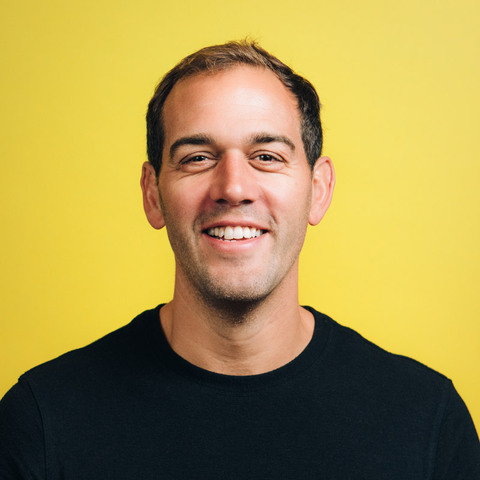
Ben Aston is joined by Bruno Bornsztein, founder of InfluenceKit. It's a complete toolkit for digital influencers to help them plan, collaborate, and report on their content. Listen to learn how to leverage influencer marketing and manage influencer relationships.
Interview Highlights:
- Bruno Bornsztein is an entrepreneur with an advanced web development background. He is the founder of a web publishing company, which founded and ran the sites Curbly.com and manmadediy.com. [0:29]
- Bruno is now focused on his new project which is called InfluenceKit. It's a complete toolkit for digital influencers to help them plan, collaborate, and report on their content. He is on a mission to help influencers and content creators prove their value and make more money from their passion and from their brands. [0:52]
- Bruno started doing freelance web development, building websites and web applications for people. In 2006, he had a break. He had done a few bigger contracts and saved up some money, so he decided to launch his own website, Curbly. [2:55]
- Curbly was launched in 2006 and became Bruno's full-time job in 2008. [3:45]
- InfluenceKit was an internal product. Bruno actually wrote the first lines of code for it in 2011 as a tool to manage Curbly. [4:57]
- In 2017, Bruno started showing the InfluenceKit to other publishers, other people that he knew, and a few other bloggers. Then he realized that it worked so well it could actually be a product. [5:42]
- From the brand’s point of view, InfluenceKit allows brands to work with content creators seamlessly and get stats from all of the creators that they work with in a nice, consistent uniform format. [7:20]
- If you want to track sales, there's something for that and it's called affiliate marketing. You just give somebody an affiliate code and whoever sells the most widgets for you, you'll know it. It'll be in your dashboard and you just give them a commission. [8:40]
Affiliate works really, really well for certain kinds of brands, for certain kinds of objectives.
Bruno Bornsztein
- Influencer marketing is about branding and messaging. [9:07]
- One big problem creators have is one-and-done partnerships and those tend to happen because there's not a good understanding of how it performed. [11:25]
- What InfluenceKit does is it allows content creators to track the value of the blog post. And what a lot of brands don't initially understand is that there is this really long lifespan for blog content. [12:14]
- Pricing is just a negotiation. You need to start with what the deal is worth to you. [14:08]
- A lot of influencers don't understand how much work brands would have to do to produce the same type of content and result. [15:04]
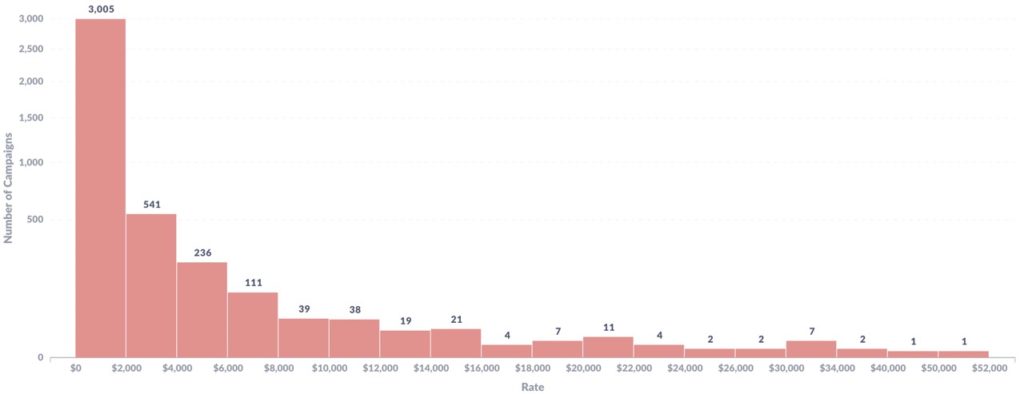
- With Curbly, they would typically charge in the range of $3,000 to $5,000 for a blog post package. So that would include a blog post, a bunch of social media, along with it on all of the platforms that they operate on. An email blast in their newsletter. They would sometimes throw in some extras. [16:34]

- There is a difference in scale between somebody who's charging $250. Their audience is going to be much smaller in terms of their website traffic or their social media reach. [18:05]
Anything you can do as an influencer to make that person's job easier is going to help you stand out and it's going to help you raise your rates over time.
Bruno Bornsztein
- The best content creators have a system for creating content. They have a team that helps them create content and they're really proactive. [20:58]
- As a brand, you have to be willing to invest the time and effort, which is substantial in developing relationships with content creators who really understand your product, your brand, and your point of view. [22:31]
- Influence is a by-product of what you're trying to do. It's not the goal. The goal is not to influence people. Content creators are curious. They want to learn about something and then they want to teach about that thing. Their goal is not to influence people. [24:22]
You have to establish relationships with people and remember that the person on the other end is a human being.
Bruno Bornsztein
- InfluenceKit is growing. They are starting to work with more brands. They've built out two sides to the business. One side is focused on helping influencers. The other side is focused on helping brands and then hopefully they come together. [29:56]
- Bruno and his team just launched a freemium version of InfluenceKit. There's now a free tier, which means anybody can sign up and use it completely for free. [30:41]
Our hope is that by offering that free product, we'll be able to help a lot of influencers who are pitching their first brand.
Bruno Bornsztein
- The best advice that Bruno has ever received is "When in doubt, start." [32:07]
You have to get the ship moving forward before you can change direction.
Bruno Bornsztein
- Bruno's personal habits that have contributed most to all his success is, he says no to things a lot. When he finds something that he has to do, he tries to find ways to make it, to automate it. [32:30]
I'm willing to work hard to avoid having to work anymore.
Bruno Bornsztein
- Another tool or resource that Bruno uses regularly is Heap. It's like an analytics tool. You can install it on any website and it will basically allow you to track everything that happens on your site. [33:02]
- Bruno's advice to help someone get started is "Be really curious." [34:12]
You have to want to learn to create good content.
Bruno Bornsztein
Guest Bio:
Bruno Bornsztein started building web applications in Ruby on Rails in 2005, after several years of hacking together things in PHP, HTML, and Wordpress. In 2006, he launched Curbly.com, which was meant to become a social network for people interested in interior design and DIY (sort of what Houzz is today).
Over time, Curbly evolved into a pure blogging business — they hired writers, created content, and sold advertising and sponsored posts. InfluenceKit was really the result of an internal tool he developed to manage the blogging process at Curbly. It worked so well for them that eventually, Bruno decided to turn it into a product.
His background in running a blogging business for more than ten years gave him a deep understanding of many of the needs of their potential customers. He knew most of their pain points and could speak to them in terms that resonated right away.
However, it took a while before he had enough confidence to take the whole thing really seriously. At first, he did the typical developer thing: create something cool, show it to a few people, and be disappointed when it doesn’t turn into a viable business overnight. It took a lot more work than that! He had to be persistent, talking to everybody he could think of about InfluenceKit, showing them how it worked, and explaining and refining the value proposition.
Fortunately, his primary business at the time (Curbly) was able to support his lifestyle and gave him the flexibility to work on InfluenceKit. So although he calls InfluenceKit ‘bootstrapped’, it was really funded (or at least incubated) by his previous business.

InfluenceKit's whole mission is about building stronger relationships between brands and creators.
Bruno Bornsztein
Resources from this episode:
- Apply to join the Indie Media Club
- Check out InfluenceKit
- Check out Curbly.com
- Check out manmadediy.com
- Connect with Bruno on LinkedIn
- Follow Bruno on Twitter
Related articles and podcasts:
- Intro Episode: Welcome to the Indie Media Club
- Podcast: How To Diversify Revenue And Monetization Models (with Deacon Hayes from Well Kept Wallet)
- Podcast: How To Develop A Content Strategy That Actually Works (with Jeff Coyle from Market Muse)
- Podcast: How To Make Beautiful, Shareable And Engaging Content (with Nick Routley from Visual Capitalist)
- About the Indie Media Club podcast
Ben Aston
Welcome to the Indie Media Club podcast. I’m Ben Aston, founder of the Indie Media Club. We’re on a mission to help independent bootstrapped media entrepreneurs succeed to help people who create, promote, and monetize through content, do it better. Check out indiemedia.club to find out more.
So, today I’m joined by Bruno Bornsztein and he is the unicorn you wish you probably were. He’s an entrepreneur with an advanced web development background. He’s got design experience. He’s got writing skills and experience in journalism, as well as public relations. He is the founder of a web publishing company, which founded and ran the sites Curbly.com and manmadediy.com.
But now he’s really focused on his new project which is called InfluenceKit. And it’s a complete toolkit for digital influencers to help them plan, collaborate, and report on their content. He is on a mission to help influencers, content creators prove their value to make more money from their passion and from their brands. So, keep listening to today’s podcast to learn how to partner with brands to monetize your content.
Hey Bruno, thank you so much for joining us today.
Bruno Bornsztein
Wow. Thank you. That was a great intro. I’m going to like steal that and, you know, they ask you for bio sometimes, I’m going to take that. That’s like, that was a really good one.
Ben Aston
You’re the unicorn.
Bruno Bornsztein
Yeah.
Ben Aston
So take us back to the beginning, cause I think it’s a really interesting, I mean your experience isn’t I would say very normal in terms of this, you’re a bit of a jack of all trades. So, how did you go from journalism to immediate business owner? Take us through that journey.
Bruno Bornsztein
Yeah, for sure. Definitely kind of an odd roundabout path. I started out, I went to school for journalism but that was, I graduated from college in 2004. And there, it was just a period where newspapers were really kind of in free-fall and turmoil. There was just not a lot of opportunity out there and I was, you know, just trying to get a job.
So I started working in PR instead. So I kind of didn’t get into actually working in journalism, which is what I had trained for, but I started working in PR. And so I learned a lot about how that process works, you know, which is kind of the flip side. I think people don’t always realize what a close connection there is between the PR industry and the journalism industry, but they are very closely connected.
There’s a lot of crossover between people who are in journalism and PR. But then on the side I started just programming. I had friends who wanted me to build websites for them, so I started doing that kind of for fun and then pretty quickly, you know, learned that I could turn that into a career.
So, I started doing freelance web development, building websites and web applications for people. And so then in 2006, I had kind of a break. I had done a few bigger contracts and saved up some money. And so I decided to launch my own thing and that’s what Curbly ended up being. So, you know, in that business I ended up serving kind of all roles.
I was the programmer. I built the actual platform that we use to run the site. I was also kind of the publisher. You know, I was hiring writers, selling ads and sponsorships, right? You know, doing taxes and invoices. And I, in some cases I was even the writer and photographer, you know. I would, we would sometimes take on content that I would do or create.
So, it was just a cool opportunity for me to get to do a little bit of everything, which I really enjoyed.
Ben Aston
Yeah.
Bruno Bornsztein
You know, and so I just kinda ran with that. So, Curbly launched in 2006 and became my full-time job in 2008. So, I was very fortunate, you know, with my timing in terms of getting that out there, you know, that was a time when you could tell people that you are starting a blog and they would just look at you with like a blank stare. You know, they didn’t know what that was. Nowadays, I think it’s a little bit more, people are more familiar with those terms, but yeah, it was kind of a fortunate timing in terms of getting that out there.
Ben Aston
Yeah. And so, obviously, you went from then being a media owner and a content creator yourself and a publisher. You built up the process, you built up the systems to be able to publish lots of great content and monetize through your content. But then, what happened to make you decide, Hey, actually, I’m gonna switch my focus on to a building, I guess, which is a SAS product instead, which was InfluenceKit.
What was the really that driver for you to get directly out of publishing and into SAS?
Bruno Bornsztein
Well, I mean, so InfluenceKit was really an internal product. So, I actually wrote the first lines of code for InfluenceKit in 2011 as a tool to manage Curbly. So, you know, 2011, currently we were publishing four or five pieces of content every day. We had, you know, a team of anywhere between, you know, five and ten freelance writers that we had to manage.
And I looked around and just couldn’t find a project management tool that I thought worked. I tried Basecamp and Trello and whatever, a bunch of different things. So, I just built InfluenceKit, or, you know, at that, wasn’t called that, but I built this internal tool to help manage our team. And we continued using that tool, you know, for years, you know, all the way through 2017. And in 2017, I started kind of showing that tool to other publishers, you know, other people that I knew, a few other bloggers, and realizing that, wait a second, this internal tool that works so well for us actually could be a product.
You know, it’s kind of silly that it took me so long to figure that out, but, yeah, so that’s kind of what happened. 2017 I started showing it to people. A few people that I showed it to, you know, the feedback was really strong, and realize that that could be a new opportunity for me.
And so I was excited to just try something new. I had been doing the digital publishing thing for a long time. And it was just kind of ready to shift gears and, you know, work more on the product development side of things.
Ben Aston
Cool. And so for those people who aren’t familiar with InfluenceKit, give us the elevator pitch. Help us understand who it’s for and yeah, what the benefits are?
Bruno Bornsztein
Yeah. So, InfluenceKit is for content creators and brands that want to build stronger relationships. And we help them do that by making reporting on their influencer marketing really easy and automatic. So, if you are a content creator and you are trying to work with brands, you need to prove your ROI to them.
You have to be able to show them how the content that you created for them performed. And you can do that today by, you know, this manual time-intensive method of going into every platform and pulling the numbers and putting it into a spreadsheet or something. But influencers, content, creators, they just have a lot to do and they don’t really have time for something like that.
So, InfluenceKit just automates that whole process. From the brands point of view, you know, InfluenceKit allows brands to work with content creators really seamlessly and to get stats from all of the creators that they work with in a nice, consistent uniform format. So, you’re not getting, you know, screenshots from Bruno and a spreadsheet from Ben.
You’re getting an InfluenceKit report from everybody that you can actually do something with so that you can understand, you know, the ROI that you’re getting from these collaborations as well.
Ben Aston
Cool. And so in terms of proving that ROI, because I think, I mean, this is what about helping people prove their value and ROI.
So, what are the metrics that you track in InfluenceKit? And why do you think those metrics are valuable? Because I’m guessing we’re not actually tracking to sale so, or purchase. So, how do you, what for you, as you’re thinking about content creators and the value they can provide, what do you think is the most important metric in terms of proving ROI?
Bruno Bornsztein
Yeah. Great. Really good question. And I like that, you know, you bring up the question of do we track the sale, right? I think influencer marketing is sometimes misunderstood, you know. If you just want to track sales, there’s something for that and it’s called affiliate marketing. You just give somebody an affiliate code and whoever sells the most widgets for you, you’ll know it. It’ll be in your dashboard and you just give them a commission. And that’s fine.
Affiliate works really, really well for certain kinds of brands, for certain kinds of objectives, right? So if your objective as a brand is like sell X more widgets, then sometimes an affiliate partnership might work. But influencer marketing, as I see it, is about branding and messaging, right? It’s not just we want to sell more of these things.
It’s, we want to tell a story about our brand. We want to shape, you know, an audience’s opinion about our product. And that’s not something that you can necessarily measure with like, how many things did we sell? So InfluenceKit, the metrics we focus are on our impressions, views, and engagements.
Impressions is just the broadest measure. Like, okay, how many people were exposed to these messages, to this content? Views is a little bit, you know, another level higher. How many people actually not only did were they exposed to it, but they actually read it. They came to the blog posts, they clicked play on the video.
And then engagements is, did they interact with the content? You know, click on it, comment, like share, wow, whatever the different reactions are. But the point is, at that point you know you’re now you’re starting to see a story of like, okay, how did we actually, how did our content resonate with a particular audience of people?
So those are the metrics we’re interested, but at the same time, our, if you look at our reports, the metrics are kind of on an equal level as the content itself. Because what we want everybody who’s involved to really understand that this is about creating amazing quality content. It’s not, the ultimate report that you see in InfluenceKit is not a spreadsheet with a bunch of numbers on it. Because that’s only like half the story.
That’s just telling you how the metrics performed, but you really need to see the content to understand what this collaboration was all about and whether you really got what you consider to be a good return on your investment.
Ben Aston
So in terms of, then putting dollars to these investments. So how do you, how do people use InfluenceKit to drive up their value with brands? Have you seen how that dynamic works?
Bruno Bornsztein
Oh yeah, absolutely. I mean, we hear from content creators all the time saying, I sent a report to a brand and they were just floored and they really want to work with me again. So that’s repeat business. One big problem creators have is a one-and-done partnerships and those tend to happen because there’s not a really good understanding of how it performed.
And so the brand has a difficult time justifying working with them again. So we hear that a lot. Where the answers we’ll say. Wow, I’m getting longer deals, you know, more recurring deals with brands because they know they can count on me, you know? Another really obvious way is showing value where it’s kind of missed, otherwise.
So a great example would be blog posts versus social media. So, if you talk to a lot of influencers, you’ve talked to brands, it’s all, you know, everyone’s talking about Instagram stories, and TikTok, and you know, these social platforms where there’s a very short timeframe where the content is alive.
And so what InfluenceKit does is it allows the content creators to track the value of the blog post. And what a lot of brands don’t initially understand is that there is this really long lifespan for the blog content. So if you come to me and say, Hey, we want to pay you, you know, a thousand dollars to post on your TikTok.
A lot of content creators will say, Well, yeah, but like that TikTok video is, there’s no really lasting value there. It might go viral, which is fine, but three years from now, nobody’s going to be looking at that. But I know, and an InfluenceKit knows that content creators work really, really hard to rank in search and to make content that has this really long value.
So what content creators can do is they can go to brands and say, Well, check out my reports. I can show you that my blog post is actually going to be a much better driver of value over a long period of time than just the social. So, that means maybe you can charge more for that, or maybe, you know, you’re getting more deals that you might not have otherwise gotten because maybe your, your social profiles aren’t as strong as some other people.
So that’s another good example of just using, understanding your metrics to be able to really show brands where you can drive value for them.
Ben Aston
Right. And so, I’m curious in terms of your advice to content creators and publishes. Cause I think, this kind of, there’s an intersection here with people creating media kits and setting rate cards.
How do you recommend people set their pricing?
Bruno Bornsztein
That’s a hard question. Pricing is difficult, right? Because there’s no, you know, there’s no calculator. I mean, there actually are some calculators out there. I’ve found them to be wildly inaccurate, you know. You plug in your stats or whatever, and it’ll just tell you something.
Pricing is just a negotiation. It’s just always going to be. So you need to start with what the deal is worth to you. You know, what is it actually going to cost me to do this?
Ben Aston
Right.
Bruno Bornsztein
And am I making enough to justify what I’m getting paid? And then you also need to factor in things like the demand, you know, like if you’re getting too many deals that you’re so busy that, you know, you feel like your hair is on fire. You’re probably not charging enough. One of the first things you should do is raise your prices. I would say, in general, I find that influencer’s under price. You know, they just, by default, they just tend to really not understand their own value.
Partly because they’re not using a tool like InfluenceKit where they can actually see, Oh, wow. I really am generating a lot of impressions and views and engagements. They don’t even really know. Like, a lot of times they are not tracking it. Also a lot of influencers don’t understand how much work brands would have to do to produce the same type of content and result.
So an influencer, you know, you’ll talk to a food blogger, they just like create a recipe, test it, cook it, photograph it, edit the photos, write a recipe and shoot a video. And like for them, that’s just their job. They do that every day. And they really don’t understand that for, you know, General Mills to do the same thing would probably cost $15,000 in art direction and studio and copywriting and legal and whatever else.
So, in general, I think they tend to underprice and my advice would be start trying to charge more until you really get pushed back.
Ben Aston
Yeah. And so in terms of, I mean it’s 2021, baseline costs for a blogger on a, with a, let’s say a recipe. Is there any kind of starting price that you think you would recommend? Can you give us any kind of indication of what people are charging or the range right now?
Bruno Bornsztein
Sure. Oh yeah. You know, maybe after we get off I’ll look in our stat because we can kind of see in our own system some of these numbers, so I can probably come up with a bit better idea. And I’ll just caveat that with Curbly, my site, it’s been a few years since I’ve regularly sold, sponsored content.
So what I know some of this data is a bit old. With Curbly, we would typically charge in the range of like $3,000 to $5,000 for a blog post package. So that would be like a blog post, a bunch of social media, along with it on all of the platforms that we, you know, operate on. An email blast, you know, in our newsletter.
And oftentimes we would, you know, we’d sometimes throw in some extras, like maybe we do a quick video, or maybe we send them some extra photos from our shoot that the brand can use on their own pages. You know, they’re always looking for content that they can repurpose. So that was kind of our range.
I see anything, you know, a lot of influencer I see a lot of people anywhere from $250 or $500 all the way up to $10,000 and $20,000, you know, and on the high-end $50,000 partnerships. And that just, there’s just such a range. But I think somewhere in that sub $10,000 range seems to probably capture most of what’s going on in terms of like a basic package of content on your site, plus some social stuff.
Ben Aston
Do you see that pricing kind of evolve and change? And what are the factors that, yeah, what’s the difference between a $250 influencer or content creator and a $50,000 one? Obviously there’s that audience, but yeah. Talk us through some of the factors that can help someone push up that pricing.
Bruno Bornsztein
For sure. I mean, obviously there is just a difference in scale between somebody who’s charging $250, you know. Their audience is just going to be much smaller in terms of their website traffic or their social media reach. So, that’s the first thing. But there are a lot of other things that factor into that.
One is like professionalism, you know. I think just approaching it from a really professional point of view can help you push up your price. Having a contract, having a media kit, offering reporting through some kind of tool. Just being really easy to work with. I think influencers really underestimate that the degree to which this process is really difficult for brands.
I mean, I talked to brand, you know, influencer relationship managers all the time and it’s a hard job, you know. They have to wrangle dozens, some cases hundreds of different influencers, you know. Did they get their thing done on time? Did they do the thing we asked them to do? Did they send us the reporting?
So anything you can do as an influencer to make that person’s job easier is going to help you stand out and it’s going to help you, you know, raise your rates over time. Beyond that, I think in, you know, between a $500 a post-influencer and a $50,000 influencer. A lot of it is production, you know, quality, just the quality of the content.
When you get up to these levels, it’s just really, really high. And just their ability to engage with their audience. You know, the higher paid influencers are just, their audiences are really, really engaged and they really care about what these influencers have to say.
Ben Aston
So, tell me a bit about, we started talking about what the best content creators do. What do you think, apart from then their production values they’re reached, what do you notice about content creators who are able to charge more money? What do you think is different about them?
Is it more of an entrepreneurial mindset? Is it thinking about their content like a business? What do you think we can learn from the best content creators in terms of setting ourselves apart?
Bruno Bornsztein
Absolutely, the best content creators, they treat it as a business. I mean, you know, the problem with, not the problem, but the difficult thing about like the whole category is that you typically don’t go into it as a business, you know. People don’t like go to get an MBA to become a content creator.
Usually it starts as a hobby, which is like the cool thing about it. You know, you start woodworking and, you know, or cooking or traveling because you like doing those things, but you don’t always necessarily approach it, you know, from a business point of view. So the best ones really do, they have a very, they have a system, you know.
They have a system for how they create content. They have a system for how they, in many cases have a team that helps them create content. They’re really proactive, you know. I see a lot of people when it comes to monetization that they’re kind of passive, you know. They think that they can just like create content and that money will just come.
And in some cases that can be true, but you know, if you really want to ramp it up and turn it into a real business, you have to be much more proactive. So that means, in some cases, doing a lot of sales, like reaching out to brands, pitching brands. If you’re not either willing or able to do that, then finding somebody who can do that for you.
And there are now more kind of talent agencies and reps that will help people who aren’t set up to do that themselves. But yeah, I think that element of just going out there and working for those deals is really important. You can’t just expect it.
Ben Aston
Yeah. And so, obviously, we’ve touched on the importance of having a media kit, setting your rates, and knowing what you’re worth.
But in terms of that relationship, in terms of brands working with content creators and vice versa, how do you see that dynamic working best?
Bruno Bornsztein
Yeah. Like I said, at the beginning, InfluenceKit’s whole mission is about building stronger relationships between brands and creators. And so that is that like encapsulates my opinion about how it works best. You have to build a relationship. As a brand, you really have to be willing to invest the time and effort, which is, you know, substantial in developing relationships with content creators who really understand your product, your brand, your point of view.
If you look at it as transactional, it’s just, I just don’t think it works well. The value is just not there and it’s just exhausting. So if you look at it from the point of view of like, let’s just buy as many paid views or likes as we can get, you know, if you can’t do it that way, it’s not Google ads, it’s not Facebook ads.
It has just a completely different purpose than those tools. So, definitely I think for brands to work, to build relationships out and be willing to give content creators a longer time period in which to work, you know, like, sometimes it can take one or two collaborations before you really figure out what’s working well with this creator and how their style fits in with your objectives and your brand. So, just being willing to do that, I think.
Ben Aston
And so, we’ve been using these two words, content creator and influencer. Obviously, most people listening to this podcast are more on the publisher end of it. What do you see the difference between a content creator and an influencer publisher beings? As you’ve kind of been on this journey yourself of being a publisher with influence who creates content. So, what’s the dynamic between these different things?
Bruno Bornsztein
Yeah, that’s such a good question. I mean, the name, the word influencer itself has just become like derogatory, basically. You know, in the last probably five or six years, it’s like a joke, you know. You tell people like I’m an influencer and they just like laugh. I think the problem is that, you know, influence is, it’s a by-product of what you’re trying to do. It’s not the goal, right?
Your goal is not to like influence people. I mean, for most of us, our goal is to create content. So content creators are curious and they want to learn about something and then they want to teach about that thing. Their goal is not to influence people.
That’s just the thing that they’re able to monetize. So, you know, I think that there is a pretty important distinction between what sort of, what you think about as influencers? You know, somebody who, you know, like I was reading about that, I think it’s the third biggest account on TikTok, is this guy who like, just like stares into the camera with a blank face.
Have you seen this guy? He just kind of like, he just makes fun of other TikTok videos and I’m sure he’s great, but it’s like, you’re not actually, you’re not creating content. You know, you’re not like learning about something and then teaching other people about that thing. You’re not asking a question. I guess, to some degree and you know, just the entertainment value is worthwhile, but I’m just much more interested in the influencers who are creating really valuable content.
So, you know, with that in mind, like what is the difference between that and a publisher. I think it’s kind of just a matter of scale, honestly. You know, it’s the difference between a one person blog who does amazing recipes and then that same person, five years down the road, when they’ve built out a team of 10 writers and, you know, a salesperson or whatever, and now you probably would call that person a publisher. And maybe 10 years later when they sell to, you know, some other company.
So, I think from that point of view, it’s just kind of a question of scale. The goal is always the same. It’s creating really good quality content that informs or educates or, you know, enlightens people.
Ben Aston
And so, I mean, we touched on this a minute ago when we talked about the way that influencers or content creators can work with brands.
And in terms of that dynamic of pitching brands, what are some of the lessons that you’ve learned along the way? Like, what makes as a successful pitch? In an ideal scenario, obviously, the brands are coming to you, but the reality is for most people who are starting out, they’re going to be needed to be pitching and pitching hard.
So, yeah. What does a good pitch look be like?
Bruno Bornsztein
Um, I mean, again, I think it’s just, I hate this to be a broken record, but it’s about relationships. You know, you have to establish relationships with people. And remember that the person on the other end is a human being. And then nobody wants to be pitched. Nobody wants like these cold emails coming day after day, like, Hey, will you buy my thing?
We buy my thing. Like, that’s not how you build a friendship or relationship. So, what it really is, is, you know, what is a brand that, you know, does influencer marketing? And that you think you can provide a lot of value for, and that you’re interested in working with? Then you have to figure out, okay, who do I need to talk to over there?
You know, do they do their influencer marketing in-house? Do they have an agency that they work with both? There are ways that you can find that out. And then starting to try to build up a relationship with whoever that person is, which is just like saying, Hey, I just want you to know that I really admire your brand, or I really understand it really well.
Or maybe I’m already writing about it a lot because I use the product and I’m doing influencer marketing. These are my rates. This is some examples of my performance. And I’d love for you to keep me in mind as you plan out your, you know, your next campaigns. And then again, yes, being persistent. So you do have to follow up on that.
That’s something you have to do on like a schedule every quarter, maybe every six months, whatever. But just letting those people know that you exist and that you can provide value for them. And that you’re going to be really professional and good to work with. I think that’s a great pitch right there.
Ben Aston
Cool. Yeah. And I think the other advice that I would give is making your media kit available to people easily. So, if you do have a website, make sure that there’s a, you have a page for it so people can access it. There’s a contact form on there so people can easily get in touch with you.
I think we’re removing the friction for brands to reach out to you as well. Is that obviously the other side of this? Because if you are already talking about them, they probably know you’re talking about them. Maybe absolutely have friction.
Bruno Bornsztein
For sure. Yeah. And you know, again, like I talked to a lot of these people and they are looking. They’re looking for influencers to work with.
They’re always looking for new people because even if they’ve got some people that they like, they’re always kind of trying to change it up and try new people. So they’re definitely on the lookout. It’s a hard task for them. There are millions and millions and millions of influencers, content creators out there.
You know, imagine if you had to figure out which ones you wanted to work with. It’s hard. So anything that you can do to make it easier, you know like you said. Have your media kit, have a report, you know, put an InfluenceKit report out there that they can look at so they can see what you’ve done in the past.
Highlight some of your best content that’s branded or that you’ve worked with brands on. Just anything that helps them understand like, okay, is this person going to be a good fit for us?
Ben Aston
Good stuff. So let me, let’s talk about InfluenceKit. What are your goals for InfluenceKit for the year ahead?
Bruno Bornsztein
Yeah, InfluenceKit is doing fine. It’s growing. We are starting to work with more brands, so we’ve kind of built out two sides to the business. One side, it is really focused on helping influencers. The other side is kind of focused on helping brands and then hopefully they come together. So, specifically, right now we’re kind of focused on talking to a lot of brands, but we think we have really the best editorial calendar and reporting tool out there for content creators.
And feel really good that we have some of the best content creators in the food and DIY and travel space already. And we think those verticals are really good for us. We’re kind of exploring to see where there might be more. We just launched a freemium version of our product. So there’s a free, there’s now a free tier to InfluenceKit, which means anybody can sign up and use InfluenceKit completely for free.
You get one report for free a month. We just kind of, finally understood that there are, there is kind of a tier of influencer or content creator out there that, they’re just not at the point where paying for a tool like that quite makes sense, but what hopefully they can get to that point. So our hope is that by offering that free product, we’ll be able to help a lot of influencers who are pitching their first brand.
Maybe they had never gotten paid for a collaboration before, but now they can actually create a report for free. And maybe that will help them get to that point. So that’s our goal. You know, in terms of like, as a business, what our goal is, you know, we’re not like trying to be as much as you said, like, I’m not trying to be a unicorn.
We want to build just like a calm company that can help us just, you know, enjoy our lifestyles. Be with our families, hopefully help a lot of influencers, help a lot of brands and, just be growing and sustainable. So, we’re not looking at like raising any money or anything like that. We’re profitable now. We’re bootstrapped. So, we just feel like we’re in pretty good shape to just kind of continue that way.
Ben Aston
Awesome. Well, let’s finished off with a lightning round. I want to know what do you think is the best advice you think you’ve ever received?
Bruno Bornsztein
When in doubt, start. So, you know, if you’re sitting there, you’re not sure, you’re, just start.
You’ve got to start doing something, you know, you can’t, you have to get the ship moving forward before you can change direction. So yeah, when in doubt start.
Ben Aston
And which of your personal habits do you think has contributed most to all your different successes?
Bruno Bornsztein
Laziness? I would say. My wife would probably argue with me, but I think I’m pretty lazy. Like I don’t like to do work unless I have to. So I say NO to things a lot. And when I do find something that I have to do, I try to find ways to make it, to automate it. You know, that’s kind of what InfluenceKit was. So, yeah, I mean, I’m willing to work hard to then avoid having to work anymore.
Ben Aston
Can you share another tool or resource that you use regularly?
Bruno Bornsztein
Well, this one’s a bit techy, so I don’t know if it would apply to everybody, but I really, really love Heap. Heap is like an analytics tool. You can install it on any website and it will basically allow you to track everything that happens on your site.
Like, what did people click? Where did they go? How many times did they go there? So we use it a lot for InfluenceKit to understand how people are using our product, which is really, really important. I think it probably could be really useful for publishers too, if you’re trying to understand where are people clicking?
You know, what types of content work better? Even things that get kind of techy but important. Like AB testing, you know, like we changed this headline. Did people click on it more? Or we moved this, you know, content widget. Did that help? Heap is just an amazing tool and it’s free up to, I forget how much data, but you know, it, there’s a very good chance you probably wouldn’t end up paying for it unless you’re really generating a lot of data.
Ben Aston
Cool. And yeah, for someone at the start of their digital media journey like you before you started Curbly. What is one piece of advice you’d give to help someone get started?
Bruno Bornsztein
You know, I think probably be really curious.
You have to be, you have to want to learn to create good content. So you just really have to be willing to like, look at a topic that you don’t know about, and learn a lot about it so that you can teach other people about it. So I think that that will help you not get stuck, you know, not get run out of content ideas, you know. People kind of, that’s something people struggle with, I think.
I know it can feel like, Wow, it’s 2021. Like, everything has been written about, you know. Like what is there left to talk about? But I think that that’s not true, you know. There’s always a space for you to learn about something. To get really curious, learn about that thing, understand it in your own way, and then teach people about it in your way.
And it doesn’t matter that, you know, it’s been written about a hundred times before. Your take on it is going to be different if you really are like, authentic about learning that thing and then teaching other people about it.
Ben Aston
Definitely. Well, Bruno, thank you so much for joining us today. It’s been great having you with us.
Bruno Bornsztein
Cool. Yeah, I really appreciate it. This is super fun.
Ben Aston
And where can people find you who want to learn more about InfluenceKit and follow you?
Bruno Bornsztein
It’s www.influencekit.com. That’s our website. You can check us out and sign up for our free account if you’re a content creator. Or we have a page there for brands, if that’s what you are interested in. If you’re either a brand or you’re interested working with brands, that’s where we are.
And then, I’m on Twitter. More of a lurker than a poster, but if you want to follow me @brunotorious on Twitter.
Ben Aston
Awesome.
Well, if you like what you heard today, please subscribe and stay in touch on indiemedia.club. But until next time, thank you so much for listening.